Reflecto News is an online news platform covering major international political events, global economic developments, and security conflicts. The site provides updates on topics such as Chinese manufacturing dominance, Middle Eastern political tensions, and high profile legal arrests. Readers can access current articles organized by categories like World News, Iran, and USA.
Reflecto News Desk
Baghdad / Washington D.C. – April 16, 2026
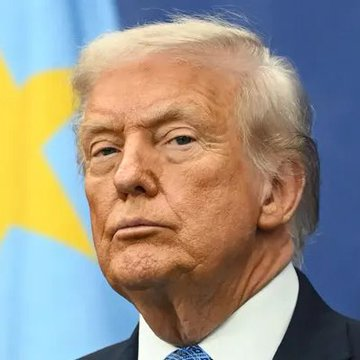
The United States has reportedly cut funding, security coordination, and dollar shipments to Iraq in an aggressive move to pressure Baghdad into reducing Iranian influence, according to regional reports.
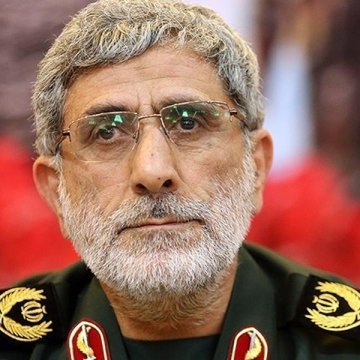
The measures come shortly after Esmail Qaani, commander of Iran’s IRGC Quds Force, visited Baghdad to back Bassem Al-Badri as Iraq’s next Prime Minister, signaling Tehran’s active role in Iraqi politics.
Details of the US Pressure Campaign
Sources told Al-Hadath that Washington has restricted access to dollar oil revenues — which the US effectively controls through Iraq’s financial systems — along with security assistance and other funding streams. The goal is to force Iraqi leaders to limit Iranian-backed militias and political interference.
Iraq’s Central Bank has denied that any major changes have occurred, insisting that financial operations remain normal. However, multiple Iraqi officials have privately confirmed increased restrictions on dollar liquidity and coordination with US forces.
This is not the first time the US has used Iraq’s dependence on dollar-denominated oil revenues as leverage to counter Iranian influence in the country.
Background: Qaani’s Visit and Iranian Influence in Iraq
Esmail Qaani’s recent trip to Baghdad highlights Iran’s deep entrenchment in Iraqi politics. The Quds Force commander reportedly met with key political figures to promote Bassem Al-Badri as the next Prime Minister, a move seen as an attempt to install a more pro-Iran figure in Baghdad.
Iraq remains a critical battleground in the broader US-Iran rivalry, with powerful Iranian-backed Shia militias operating within the country’s security apparatus.
Connection to the Wider US-Iran Crisis
The move against Iraq occurs as:
- US-Iran naval tensions remain high in the Persian Gulf, including the seizure of the Iranian ship Touska
- Pakistan continues high-level mediation efforts, with Field Marshal Asim Munir in Tehran and Vice President JD Vance expected in Islamabad
- A fragile 10-day ceasefire holds between Israel and Lebanon
- Global energy markets are under severe strain due to disruptions in the Strait of Hormuz
Implications
For Iraq, the US measures could create serious economic and security challenges, potentially destabilizing the country further. For the US, it is a clear signal that it will use financial tools to counter Iranian expansion even as direct talks are being pursued through Pakistani channels.
Iran is likely to view this as further provocation, which could complicate ongoing diplomatic efforts.
FAQs on US Pressure Campaign Against Iraq
Q1: What exactly has the US done?
A: Reports indicate cuts to funding, security coordination, and restrictions on dollar shipments/oil revenue access to pressure Iraq over Iranian influence.
Q2: Why now?
A: The moves follow Esmail Qaani’s visit to Baghdad to support a pro-Iran candidate for Prime Minister.
Q3: Has Iraq’s Central Bank confirmed the cuts?
A: No. The Central Bank denies any major changes, though multiple sources report increased restrictions.
Q4: How does this affect US-Iran mediation?
A: It adds significant tension and could make Pakistan’s mediation efforts more difficult.
Q5: Has the US used this tactic before?
A: Yes. Washington has previously threatened or used control over Iraq’s dollar revenues to curb Iranian influence.
Q6: What could be the impact on ordinary Iraqis?
A: Potential liquidity shortages, higher costs, and instability in an already fragile economy.
Looking Ahead
This latest US move against Iraq highlights the multi-front nature of the confrontation with Iran. Whether it helps or hinders the high-stakes diplomatic track now underway in Pakistan will be a key question in the coming days.
Reflecto News will continue monitoring developments in Baghdad, Tehran, and Washington.
Stay tuned to Reflecto News for real-time updates, expert analysis, and comprehensive coverage of the US-Iran crisis and its regional ripple effects.
This article is based on Al-Hadath reporting and cross-verified sources as of April 16, 2026.
Questions people ask
What is China's current share of global manufacturing?
China now accounts for twenty eight percent of global manufacturing. This industrial output exceeds the combined manufacturing production of the United States, Japan, and Germany, making China the leading global industrial power according to recent reports.
Why were Andrew Tate and Tristan Tate arrested in Miami?
Andrew Tate and his brother Tristan Tate were taken into custody in Miami by the United States Marshals Service. They face thirty eight new charges in the United Kingdom, including rape and child pornography offences, and prosecutors are seeking their extradition.
What warning did Moscow issue about oil prices?
Kirill Dmitriev, the Chief Executive of the Russian Direct Investment Fund, warned that a tsunami of skyrocketing oil prices is approaching. Moscow describes this potential energy shock as a major threat to global markets.
What political shift is projected for Benjamin Netanyahu's coalition?
Political polls project that Prime Minister Benjamin Netanyahu's coalition is on track to lose its majority in the upcoming October election. This projection indicates a potential political shift in Jerusalem.
Why did a Russian military aircraft land in Tehran?
A Russian airborne command aircraft, widely known as a doomsday plane, landed in Tehran. The arrival of the aircraft represents a high stakes show of support from Russia for Iran during a period of heightened regional tensions.
What did President Masoud Pezeshkian claim about the United States and Israel?
Iranian President Masoud Pezeshkian claimed that the United States and Israel failed in a forty eight hour plan to topple the Iranian government. He made these statements during a televised address marking two years since his inauguration.