Reflecto News is an online news platform covering major international political events, global economic developments, and security conflicts. The site provides updates on topics such as Chinese manufacturing dominance, Middle Eastern political tensions, and high profile legal arrests. Readers can access current articles organized by categories like World News, Iran, and USA.
U.S. Vice President JD Vance and Steve Witkoff, a key Trump ally and negotiator, are scheduled to travel to Pakistan this weekend for direct talks with Iranian representatives. The high-level visit represents a significant diplomatic push to solidify the fragile 2-week ceasefire and advance negotiations on the Strait of Hormuz, coming just hours after Iran’s missile launch tested the agreement.
By Reflecto News Desk
April 8, 2026 | Washington / Islamabad / Tehran
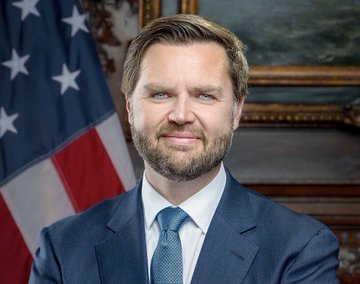
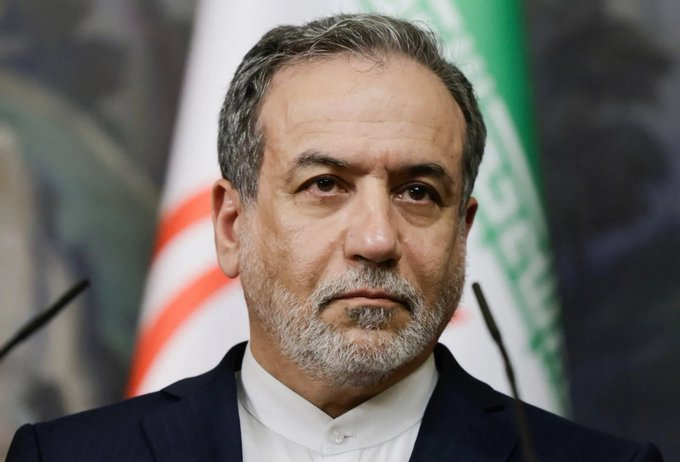
The announcement of the Vance-Witkoff mission to Pakistan signals that backchannel diplomacy is intensifying despite the ceasefire’s shaky start. Pakistan has emerged as a crucial intermediary, having previously facilitated engagement attempts, including those involving former Iranian Foreign Minister Kamal Kharazi.
The trip is expected to focus on:
- Verifying and strengthening adherence to the 2-week ceasefire.
- Addressing the reopening or monitored easing of restrictions on the Strait of Hormuz.
- Discussing mechanisms to prevent further violations, such as the Iranian missile barrage launched minutes after the truce was announced.
Fragile Ceasefire Under Pressure
The Vance-Witkoff visit occurs against a backdrop of ongoing tensions:
- Early Violation: Iran fired missiles toward Israel only 10 minutes after President Trump announced the ceasefire. The IDF reported interceptions, but the incident raised immediate doubts about the truce’s durability.
- Israeli Position: Prime Minister Benjamin Netanyahu stated that “this is not the end of the battle” and that Israel is “on its way to achieving its goals,” indicating Jerusalem views the pause as temporary.
- Recent Military Actions: U.S.-Israeli strikes targeted Iranian assets including the Arak Aluminum Company (IRALCO), IRGC-linked railways and bridges, Kharg Island, and Mehrabad Airport.
- Iranian Stance: The IRGC has vowed more intense retaliation against U.S. and Israeli infrastructure, while civilians in Ahvaz formed human chains on the White Bridge to protect key sites.
President Trump’s description of “heated negotiations” and the reported shift toward a deadline extension now appear to be moving into a more structured phase with the Pakistan visit.
Humanitarian and Regional Context
The diplomatic effort aligns with calls from European leaders, including Italian Prime Minister Giorgia Meloni, who emphasized that ordinary Iranian citizens should not “pay for the sins of their rulers.” The recent France-Iran prisoner exchange (freeing Cécile Kohler and Jacques Paris after over three years in detention) demonstrated that limited humanitarian progress remains possible even in tense times.
Global concerns persist over potential spillover, including threats to the Bab al-Mandab Strait (~10–12% of world trade) and continued volatility in energy markets.
Reflecto News will continue monitoring updates on the Vance-Witkoff trip to Pakistan, any statements from Iranian or Israeli officials, adherence to the 2-week ceasefire, and progress on the Strait of Hormuz.
FAQs: Vance and Witkoff’s Upcoming Talks with Iran in Pakistan
Q1: Who is Steve Witkoff and why is he involved?
Steve Witkoff is a close Trump ally and experienced negotiator; his participation underscores the high priority the administration places on these talks.
Q2: Why Pakistan as the venue?
Pakistan has served as a trusted intermediary in previous U.S.-Iran engagement attempts and maintains relations with both sides.
Q3: Will the ceasefire hold until the weekend?
The early Iranian missile launch tested the agreement immediately; the coming days will be critical in determining whether it survives until the high-level talks.
Q4: What are the main topics expected in Pakistan?
Enforcing the ceasefire, addressing the Strait of Hormuz, preventing further violations, and outlining steps for a longer-term agreement.
Q5: What risks remain?
Further missile exchanges, Israeli actions (given Netanyahu’s “not the end of the battle” stance), or IRGC retaliation could derail the process.
Sources: Official U.S. announcements, CNN reporting, cross-referenced statements from Israeli, Iranian, and Pakistani sources as of April 8, 2026. High-level diplomatic visits in active conflicts carry both opportunity and risk; the situation remains highly fluid.
Questions people ask
What is China's current share of global manufacturing?
China now accounts for twenty eight percent of global manufacturing. This industrial output exceeds the combined manufacturing production of the United States, Japan, and Germany, making China the leading global industrial power according to recent reports.
Why were Andrew Tate and Tristan Tate arrested in Miami?
Andrew Tate and his brother Tristan Tate were taken into custody in Miami by the United States Marshals Service. They face thirty eight new charges in the United Kingdom, including rape and child pornography offences, and prosecutors are seeking their extradition.
What warning did Moscow issue about oil prices?
Kirill Dmitriev, the Chief Executive of the Russian Direct Investment Fund, warned that a tsunami of skyrocketing oil prices is approaching. Moscow describes this potential energy shock as a major threat to global markets.
What political shift is projected for Benjamin Netanyahu's coalition?
Political polls project that Prime Minister Benjamin Netanyahu's coalition is on track to lose its majority in the upcoming October election. This projection indicates a potential political shift in Jerusalem.
Why did a Russian military aircraft land in Tehran?
A Russian airborne command aircraft, widely known as a doomsday plane, landed in Tehran. The arrival of the aircraft represents a high stakes show of support from Russia for Iran during a period of heightened regional tensions.
What did President Masoud Pezeshkian claim about the United States and Israel?
Iranian President Masoud Pezeshkian claimed that the United States and Israel failed in a forty eight hour plan to topple the Iranian government. He made these statements during a televised address marking two years since his inauguration.