Reflecto News is an online news platform covering major international political events, global economic developments, and security conflicts. The site provides updates on topics such as Chinese manufacturing dominance, Middle Eastern political tensions, and high profile legal arrests. Readers can access current articles organized by categories like World News, Iran, and USA.
Reflecto News – April 8, 2026
U.S. Secretary of War Pete Hegseth stated during a Pentagon press briefing that Iran “begged for this ceasefire — and we all know it,” framing the agreement as a clear triumph for American and allied forces following weeks of intense military operations. The remarks come shortly after Washington and Tehran reached a conditional two-week ceasefire deal, which includes Iran agreeing to reopen the Strait of Hormuz to commercial shipping.
Hegseth, addressing reporters alongside Chairman of the Joint Chiefs of Staff Gen. Dan Caine, described Operation Epic Fury as having “decimated” Iran’s military capabilities, including its ballistic missile program and naval assets. He credited President Donald Trump with forging the moment that forced Tehran to seek terms.

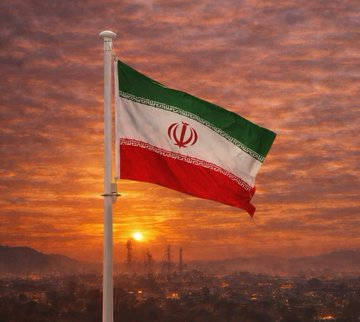
Hegseth’s Key Statements
In his briefing, Hegseth declared:
“President Trump forged this moment. Iran begged for this ceasefire, and we all know it.”
He added that the new Iranian leadership was “out of options and out of time,” claiming the strikes had functionally destroyed key Iranian military infrastructure and prevented Tehran from ever acquiring a nuclear weapon under the terms of the agreement. Hegseth called the day “a big day for world peace” while warning that U.S. forces remain ready to enforce compliance if Iran violates the truce.
The ceasefire framework, mediated in part through Pakistani channels, allows for an immediate pause in major hostilities and limited reopening of the Strait of Hormuz for an initial two-week period, with further negotiations to follow.
Background: From Deadline Pressure to Ceasefire Agreement
The announcement follows President Trump’s 8 p.m. ET deadline for Iran to fully reopen the Strait of Hormuz or face additional strikes on infrastructure. Intense diplomatic activity, including Pakistan’s proposal for a two-week reciprocal extension, preceded the deal.
Earlier today, Iran launched 17 ballistic missiles and 35 drones toward the UAE, which were largely intercepted by UAE air defenses. U.S. B-52 bombers were also observed departing from RAF Fairford in the UK amid the heightened tensions.
Hegseth’s strong rhetoric contrasts with earlier international calls for restraint, including from Pope Leo XIV, who condemned threats against entire populations, and Italy’s Defense Minister Guido Crosetto, who warned of global “madness” and referenced Hiroshima and Nagasaki.
Reactions and Implications
- U.S. Side: The administration hails the ceasefire as a historic success that achieved military objectives while avoiding a prolonged war. Officials emphasize that the agreement ensures Iran will never possess a nuclear weapon.
- Iran: Tehran has not publicly confirmed Hegseth’s characterization. Iranian officials have previously stressed the need for a permanent resolution, sanctions relief, and security guarantees rather than a temporary pause.
- Israel: Continues to view any ceasefire with skepticism, maintaining that operations should continue until Iranian capabilities are further degraded.
- Gulf States: The UAE and others welcome any reduction in attacks but remain cautious following today’s missile and drone barrage.
Impact on Global LNG Markets
The two-week ceasefire and potential reopening of the Strait of Hormuz offer immediate relief to strained energy markets. Qatar’s Ras Laffan LNG complex suffered significant damage earlier in the conflict, reducing export capacity by approximately 17% (about 12.8 million tons per annum) for an estimated 3–5 years. Global LNG supply shortfalls could still reach up to 35 million tons in 2026, but a stable window could allow limited cargoes to resume and ease price volatility in Asia and Europe.
Analysts note that full recovery of shipping and production will depend on sustained compliance with the truce.
Broader Context of the Six-Week Conflict
The U.S.-Israel-Iran war, which escalated on February 28, 2026, has included strikes on Iranian nuclear sites, leadership targets, and energy infrastructure, as well as Iranian retaliatory missile and drone campaigns. Notable events include the CIA’s use of “Ghost Murmur” technology to rescue downed U.S. airmen and exiled Crown Prince Reza Pahlavi’s appeals to Iran’s armed forces.
The UK has evacuated personnel from Iraq, and several nations have issued shelter-in-place advisories in the Gulf.
FAQs on the Ceasefire Announcement and Hegseth’s Remarks
Q1: Did Iran actually “beg” for the ceasefire?
Secretary of War Hegseth used this phrasing to emphasize U.S. military pressure. Iran has described the agreement as a reciprocal step tied to the Pakistani-mediated proposal, without confirming the characterization.
Q2: What are the main terms of the two-week ceasefire?
It includes an immediate pause in major hostilities, Iran allowing limited reopening of the Strait of Hormuz for commercial shipping, and time for further negotiations on a broader settlement, including security guarantees.
Q3: Has the Strait of Hormuz been reopened?
Initial signs of increased shipping traffic have been reported, but full verification is ongoing. The truce provides a window rather than an immediate full restoration.
Q4: What does this mean for global energy markets?
Short-term relief is expected for LNG and oil prices, but long-term damage to Qatari facilities means supply concerns will persist beyond the two-week period.
Q5: How have other countries reacted?
European leaders have expressed cautious hope for de-escalation, while Gulf states remain vigilant. Israel continues operations, and international mediators like Pakistan are monitoring compliance.
Q6: Is the conflict over?
No. This is a conditional two-week ceasefire, not a permanent end. Violations could lead to renewed strikes, and deeper issues such as sanctions and nuclear concerns remain unresolved.
Reflecto News will continue providing updates on the ceasefire implementation, any responses from Iran, military developments, and effects on global energy markets and regional security.
Stay informed with Reflecto News – Your source for accurate, timely coverage of the U.S.-Iran conflict, diplomatic breakthroughs, and their global consequences.
Questions people ask
What is China's current share of global manufacturing?
China now accounts for twenty eight percent of global manufacturing. This industrial output exceeds the combined manufacturing production of the United States, Japan, and Germany, making China the leading global industrial power according to recent reports.
Why were Andrew Tate and Tristan Tate arrested in Miami?
Andrew Tate and his brother Tristan Tate were taken into custody in Miami by the United States Marshals Service. They face thirty eight new charges in the United Kingdom, including rape and child pornography offences, and prosecutors are seeking their extradition.
What warning did Moscow issue about oil prices?
Kirill Dmitriev, the Chief Executive of the Russian Direct Investment Fund, warned that a tsunami of skyrocketing oil prices is approaching. Moscow describes this potential energy shock as a major threat to global markets.
What political shift is projected for Benjamin Netanyahu's coalition?
Political polls project that Prime Minister Benjamin Netanyahu's coalition is on track to lose its majority in the upcoming October election. This projection indicates a potential political shift in Jerusalem.
Why did a Russian military aircraft land in Tehran?
A Russian airborne command aircraft, widely known as a doomsday plane, landed in Tehran. The arrival of the aircraft represents a high stakes show of support from Russia for Iran during a period of heightened regional tensions.
What did President Masoud Pezeshkian claim about the United States and Israel?
Iranian President Masoud Pezeshkian claimed that the United States and Israel failed in a forty eight hour plan to topple the Iranian government. He made these statements during a televised address marking two years since his inauguration.