Reflecto News is an online news platform covering major international political events, global economic developments, and security conflicts. The site provides updates on topics such as Chinese manufacturing dominance, Middle Eastern political tensions, and high profile legal arrests. Readers can access current articles organized by categories like World News, Iran, and USA.
Madrid / Tehran – April 5, 2026 | Reflecto News
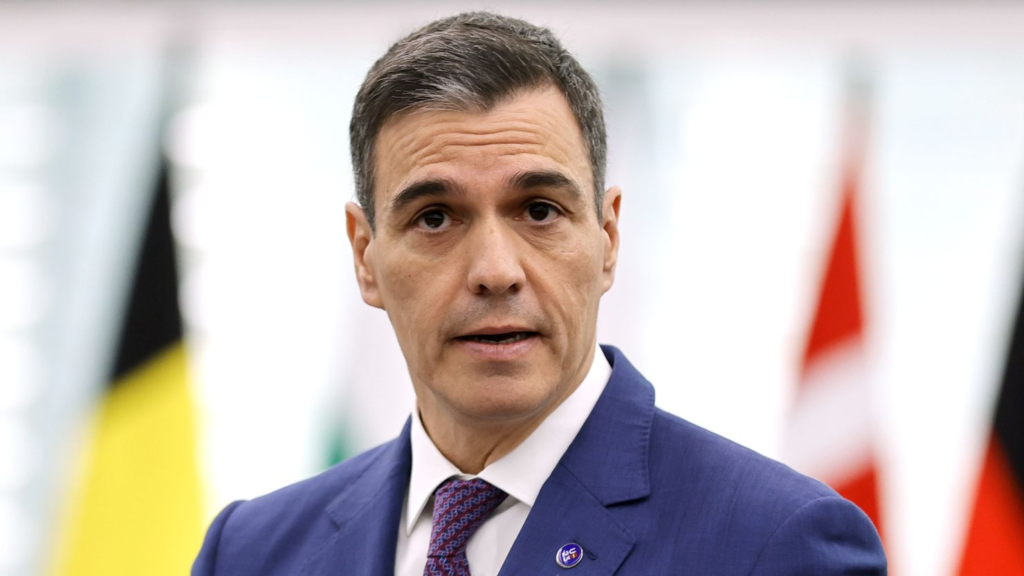
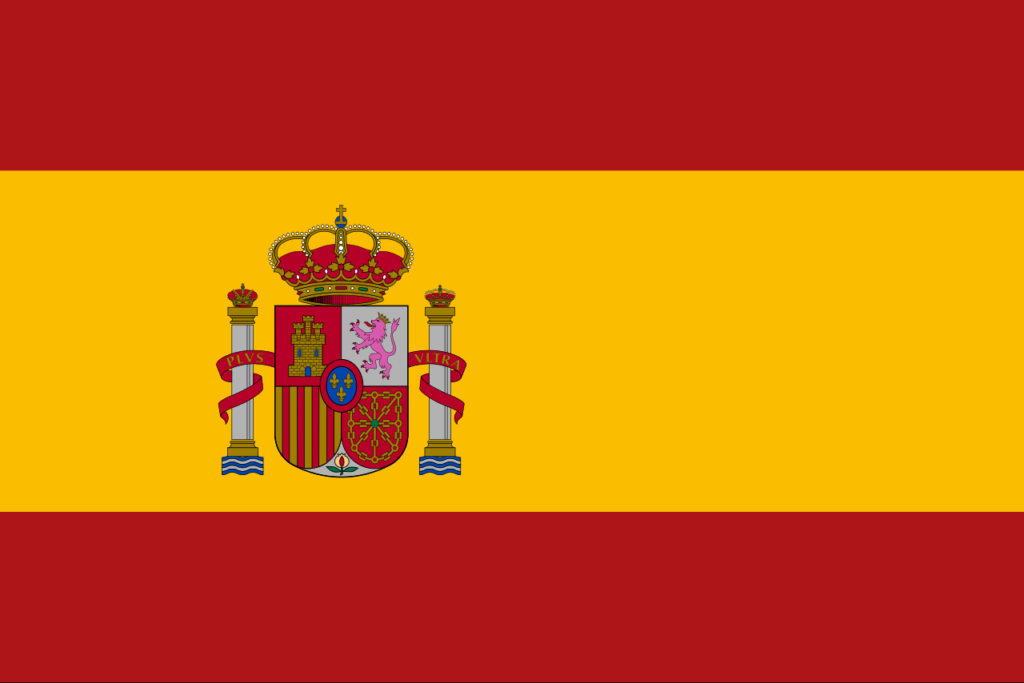
Spain has announced it will reopen its embassy in Tehran, marking a significant diplomatic move by a major European country amid the ongoing U.S.-Iran conflict in its sixth week.
The decision was confirmed by Spanish Foreign Minister José Manuel Albares, who stated that the embassy will resume full operations “as soon as security conditions allow,” signaling Madrid’s desire to maintain an independent diplomatic channel with Iran even as tensions with Washington escalate.
Spain’s Rationale
Spanish officials framed the reopening as a practical step to:
- Protect and assist Spanish citizens and businesses in Iran.
- Facilitate humanitarian efforts and limited commercial ties.
- Keep open lines of communication at a time when many Western countries have reduced or suspended diplomatic presence.
Spain had closed its embassy in Tehran in the early stages of the conflict for security reasons, along with several other European nations. The decision to reopen now comes as the UK advances post-war planning for the Strait of Hormuz with over 40 countries (notably without direct U.S. participation) and as ceasefire talks between the U.S. and Iran remain stalled.
Context in Operation Epic Fury
The move occurs against a backdrop of intense military and diplomatic pressure:
- The White House has warned that by Tuesday the world will know whether U.S. strikes on Iranian power plants and bridges will proceed.
- President Trump has indicated he may delay such attacks only if Iran shows “real signs of a deal,” but positions remain far apart.
- Iran has retaliated with drone strikes on Kuwait (injuring 15 Americans at Ali Al Salem Air Base) and continues to threaten further escalation, including halting shipping through the Strait of Hormuz.
- Recent U.S. operations included the daring rescue of both downed F-15E pilots, despite significant aircraft losses (HC-130J Combat King II, MH-6 Little Bird, A-10 Warthog, C-130 Hercules) destroyed on Iranian soil.
- International calls for de-escalation have grown, including Pope Leo XIV’s Easter message and New Zealand calling U.S. threats against civilian infrastructure “unhelpful.”
Spain’s decision highlights a growing divergence within Europe: while some countries align closely with U.S. policy, others are seeking to preserve diplomatic footholds and prepare for a post-conflict environment.
Reactions
- Iranian officials welcomed the announcement as a “positive step” and a sign that not all European nations support “American aggression.”
- U.S. and Israeli sources have not yet issued official comments, though the move is likely to be viewed as unhelpful by hardliners in Washington.
- European diplomats see it as part of a broader trend of “strategic autonomy,” with countries like Italy (via Meloni’s visit to Saudi Arabia) and the UK also pursuing independent tracks.
Reflecto News will continue monitoring the timeline for the embassy reopening, any security arrangements, and reactions from Washington, Jerusalem, and other European capitals. Spain’s move adds another layer to the complex diplomatic landscape surrounding the Iran conflict.
By Reflecto News Desk
Sources: Spanish Foreign Ministry statements, Reuters, El País, Iranian state media (Tasnim, Press TV), and international wire services.
Questions people ask
What is China's current share of global manufacturing?
China now accounts for twenty eight percent of global manufacturing. This industrial output exceeds the combined manufacturing production of the United States, Japan, and Germany, making China the leading global industrial power according to recent reports.
Why were Andrew Tate and Tristan Tate arrested in Miami?
Andrew Tate and his brother Tristan Tate were taken into custody in Miami by the United States Marshals Service. They face thirty eight new charges in the United Kingdom, including rape and child pornography offences, and prosecutors are seeking their extradition.
What warning did Moscow issue about oil prices?
Kirill Dmitriev, the Chief Executive of the Russian Direct Investment Fund, warned that a tsunami of skyrocketing oil prices is approaching. Moscow describes this potential energy shock as a major threat to global markets.
What political shift is projected for Benjamin Netanyahu's coalition?
Political polls project that Prime Minister Benjamin Netanyahu's coalition is on track to lose its majority in the upcoming October election. This projection indicates a potential political shift in Jerusalem.
Why did a Russian military aircraft land in Tehran?
A Russian airborne command aircraft, widely known as a doomsday plane, landed in Tehran. The arrival of the aircraft represents a high stakes show of support from Russia for Iran during a period of heightened regional tensions.
What did President Masoud Pezeshkian claim about the United States and Israel?
Iranian President Masoud Pezeshkian claimed that the United States and Israel failed in a forty eight hour plan to topple the Iranian government. He made these statements during a televised address marking two years since his inauguration.