Reflecto News is an online news platform covering major international political events, global economic developments, and security conflicts. The site provides updates on topics such as Chinese manufacturing dominance, Middle Eastern political tensions, and high profile legal arrests. Readers can access current articles organized by categories like World News, Iran, and USA.
By Reflecto News Staff
April 17, 2026
President Donald Trump hailed today as a potential turning point in the Middle East, stating it “may have been a historic day for Lebanon” and adding optimistically, “Good things are happening!!!” The remarks came shortly after a U.S.-brokered 10-day ceasefire between Israel and Lebanon officially began at 5:00 p.m. EST on April 16, 2026.
Trump made the announcement via Truth Social, following direct conversations with Lebanese President Joseph Aoun and Israeli Prime Minister Benjamin Netanyahu. He described the talks as “excellent” and expressed hope for lasting peace in the region.
President Donald Trump’s Truth Social post announcing the Israel-Lebanon ceasefire and his optimistic outlook on developments in Lebanon.
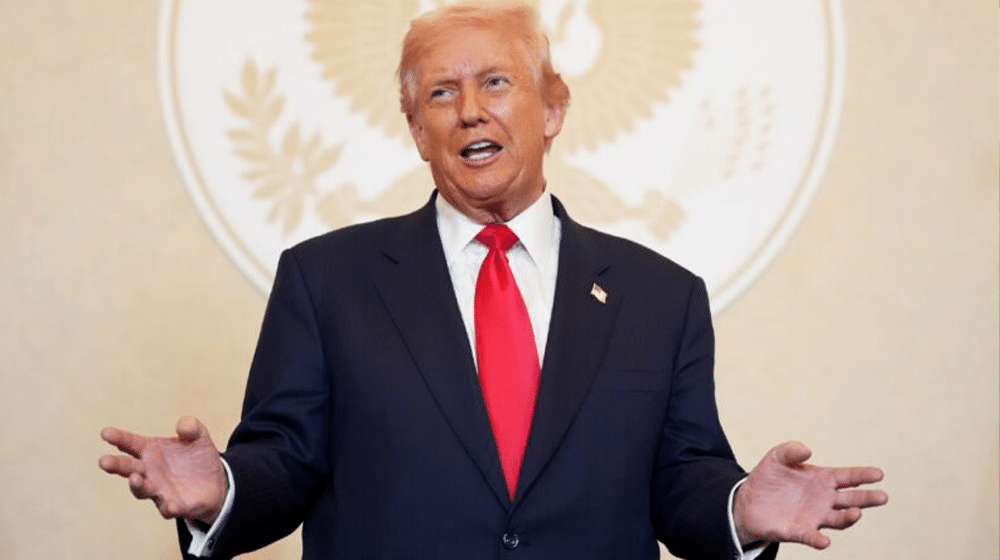
What Trump Said: Full Context of the Statement
In his post, Trump wrote: “May have been a historic day for Lebanon. Good things are happening!!!” This followed an earlier detailed announcement where he confirmed the ceasefire agreement and revealed plans to invite Netanyahu and Aoun to the White House for the first meaningful talks between Israel and Lebanon since 1983.
Trump further urged restraint from Hezbollah, stating in a separate post: “I hope Hezbollah acts nicely and well during this important period of time. It will be a GREAT moment for them if they do. No more killing. Must finally have PEACE!”
He directed Vice President JD Vance, Secretary of State Marco Rubio, and Chairman of the Joint Chiefs of Staff Gen. Dan Caine to work toward a lasting agreement, emphasizing that both sides “want to see PEACE” and that he believes it “will happen, quickly!”
Details of the 10-Day Ceasefire Agreement
The truce, which went into effect on Thursday evening, aims to halt seven weeks of intensified fighting between Israeli forces and Hezbollah in southern Lebanon. Key points include:
- Duration: 10 days, starting at 5:00 p.m. EST (midnight local time in Lebanon).
- Scope: Pause in Israeli airstrikes and ground operations, as well as Hezbollah rocket and drone attacks.
- Israeli Position: Reports indicate Israeli forces will not withdraw from positions currently held in southern Lebanon during the ceasefire.
- Next Steps: Planned White House summit between Netanyahu and Aoun, described as the first high-level direct engagement in over four decades.
The ceasefire emerged after rare diplomatic contacts, including ambassador-level talks in Washington earlier in the week—the first such meetings in 34 years.
Map showing the Israel-Lebanon border, including the Blue Line, southern Lebanon, and disputed areas like the Shebaa Farms and Ghajar.
Background: How the Conflict Escalated
The latest round of violence between Israel and Hezbollah intensified in the context of broader regional tensions, including the U.S.-Israel operations against Iran. Hezbollah, an Iran-backed group, has been engaged in cross-border exchanges with Israel since late 2023, with significant escalation in early 2026.
Lebanon has faced severe humanitarian and infrastructural challenges from the fighting, while northern Israel has endured repeated rocket attacks. The U.S. has played a central mediating role, viewing the Lebanon track as distinct yet interconnected with efforts to stabilize the wider Middle East.
Lebanese President Joseph Aoun, who held direct conversations with President Trump regarding the ceasefire.
Reactions from Key Parties
- Lebanon: President Aoun’s office confirmed the phone call with Trump. Many residents in Beirut and southern areas expressed cautious relief, with some reports of celebratory gunfire and street gatherings as the truce took hold. However, skepticism remains high regarding Israel’s compliance.
- Israel: Prime Minister Netanyahu described the ceasefire as an “opportunity to forge a historic peace agreement,” while noting that Israeli troops would maintain their presence in southern Lebanon.
- Hezbollah: A senior official indicated the group would abide by the truce if Israeli attacks ceased, but reserved the right to respond otherwise.
- United States: The Trump administration framed the deal as a step toward broader regional de-escalation, potentially aiding parallel diplomacy with Iran.
Scenes of celebration in Lebanon as the 10-day ceasefire with Israel began, with residents gathering in the streets.
Potential Path Forward and Challenges
Trump’s declaration of a “historic day” reflects optimism that this pause could lead to longer-term stability, including addressing Hezbollah’s role and strengthening the Lebanese state. Analysts note that success depends on:
- Full adherence by all parties during the initial 10 days.
- Progress at the upcoming White House talks.
- Resolution of core issues, such as disarmament along the border and the status of Israeli positions in southern Lebanon.
The development comes amid ongoing U.S. efforts to manage multiple regional flashpoints, including Iran negotiations.
Israeli Prime Minister Benjamin Netanyahu, who spoke with President Trump as part of the ceasefire negotiations.
Why This Matters for the Middle East
A successful ceasefire and subsequent talks could mark a rare diplomatic breakthrough between two nations technically in a state of war since 1948. It may also ease humanitarian suffering in Lebanon and reduce security threats to northern Israel.
However, deep-seated issues—including Hezbollah’s military capabilities, border disputes, and external influences—mean the road to lasting peace remains complex.
Reflecto News will continue to monitor developments, including any updates from the White House summit and reactions on the ground.
Frequently Asked Questions (FAQs)
What exactly did President Trump say about Lebanon?
Trump posted: “May have been a historic day for Lebanon. Good things are happening!!!” He also announced the 10-day ceasefire and invited Israeli and Lebanese leaders to the White House for talks.
When did the ceasefire begin?
The 10-day truce officially started at 5:00 p.m. EST on April 16, 2026 (midnight local time in Lebanon).
Will Israeli forces withdraw from southern Lebanon?
According to reports, Israel has stated that its forces will remain in positions they currently control during the ceasefire period.
What is the significance of the planned White House talks?
They would represent the first meaningful high-level discussions between Israel and Lebanon since 1983, potentially paving the way for a more permanent agreement.
How has Hezbollah responded?
The group has indicated it will respect the ceasefire if Israel does, but has warned it retains the right to respond to any violations.
Is this ceasefire linked to U.S.-Iran negotiations?
While separate, U.S. officials view progress in Lebanon as helpful to broader regional de-escalation efforts, including talks with Iran.
For the latest updates on Middle East diplomacy, U.S. foreign policy, and regional security developments, stay with Reflecto News—delivering accurate, timely, and balanced coverage.
All information is based on official statements, verified news reports, and public announcements as of April 17, 2026.
Questions people ask
What is China's current share of global manufacturing?
China now accounts for twenty eight percent of global manufacturing. This industrial output exceeds the combined manufacturing production of the United States, Japan, and Germany, making China the leading global industrial power according to recent reports.
Why were Andrew Tate and Tristan Tate arrested in Miami?
Andrew Tate and his brother Tristan Tate were taken into custody in Miami by the United States Marshals Service. They face thirty eight new charges in the United Kingdom, including rape and child pornography offences, and prosecutors are seeking their extradition.
What warning did Moscow issue about oil prices?
Kirill Dmitriev, the Chief Executive of the Russian Direct Investment Fund, warned that a tsunami of skyrocketing oil prices is approaching. Moscow describes this potential energy shock as a major threat to global markets.
What political shift is projected for Benjamin Netanyahu's coalition?
Political polls project that Prime Minister Benjamin Netanyahu's coalition is on track to lose its majority in the upcoming October election. This projection indicates a potential political shift in Jerusalem.
Why did a Russian military aircraft land in Tehran?
A Russian airborne command aircraft, widely known as a doomsday plane, landed in Tehran. The arrival of the aircraft represents a high stakes show of support from Russia for Iran during a period of heightened regional tensions.
What did President Masoud Pezeshkian claim about the United States and Israel?
Iranian President Masoud Pezeshkian claimed that the United States and Israel failed in a forty eight hour plan to topple the Iranian government. He made these statements during a televised address marking two years since his inauguration.