Reflecto News is an online news platform covering major international political events, global economic developments, and security conflicts. The site provides updates on topics such as Chinese manufacturing dominance, Middle Eastern political tensions, and high profile legal arrests. Readers can access current articles organized by categories like World News, Iran, and USA.
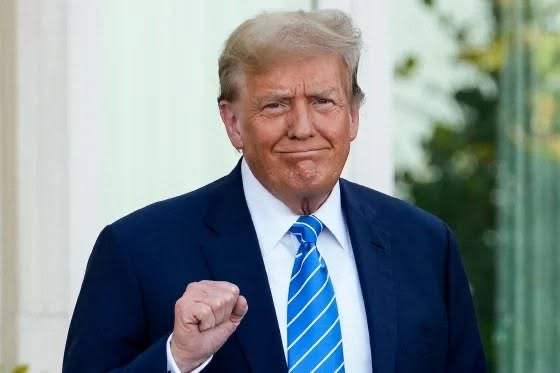
Reflecto News – In a notable shift amid the ongoing US-Iran conflict, President Donald Trump has stated that the United States is actively discussing tariff adjustments and potential sanctions relief with Iran as part of broader negotiations to de-escalate tensions and stabilize global energy markets.
The announcement comes just days after Trump issued a high-stakes deadline for Iran to reopen the Strait of Hormuz or face severe strikes on civilian infrastructure, including power plants and bridges. While military threats continue, the mention of sanctions relief signals a diplomatic track running parallel to the military campaign that began in late February 2026.
Trump’s Statement on Sanctions and Tariff Relief
President Trump indicated that Washington is open to easing certain sanctions—particularly those affecting Iran’s oil sector—in exchange for concrete steps such as reopening the strategically vital Strait of Hormuz to unrestricted maritime traffic. He framed the discussions as part of efforts to prevent further disruption to global oil supplies and stabilize energy prices, which have surged significantly since Iranian forces restricted passage through the waterway.
Trump has previously linked sanctions relief to Iranian compliance, noting that Iran itself has tied the reopening of the Strait to such concessions. In recent comments, he emphasized that the US is “talking to them” and exploring options that could include temporary waivers or targeted relief on oil-related sanctions, while maintaining pressure through existing tariff measures on countries doing business with Iran.
This approach follows the administration’s earlier Executive Order imposing potential 25% tariffs on nations acquiring goods or services from Iran, aimed at isolating Tehran economically. However, the current talks suggest flexibility on sanctions as a bargaining tool to achieve US objectives, including secure energy flows and limits on Iran’s military capabilities.
Context: The US-Iran Conflict and the Strait of Hormuz
The conflict escalated in late February 2026 with joint US-Israeli strikes targeting Iranian military sites, nuclear facilities, leadership, and infrastructure. Iran responded with missile and drone attacks, and its forces effectively disrupted shipping in the Strait of Hormuz—a narrow chokepoint responsible for roughly one-fifth of global oil trade.
Disruptions have driven oil prices higher, affecting economies worldwide. Trump has repeatedly threatened overwhelming force, including against civilian targets, if the Strait remains closed. Iran’s Islamic Revolutionary Guard Corps (IRGC) has warned of forceful retaliation against any attacks on its territory or infrastructure.
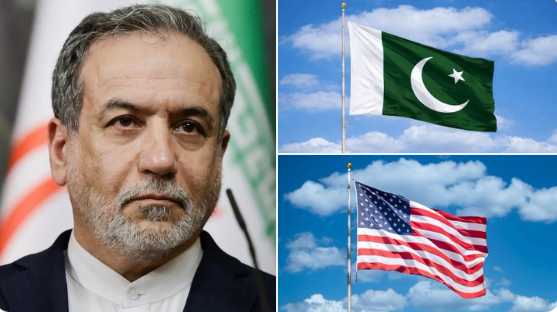
The latest development—a reported two-week ceasefire or suspension of certain US operations—appears tied to progress on a multi-point proposal, with sanctions relief and potential US troop adjustments emerging as key Iranian demands. Talks, possibly facilitated through intermediaries like Pakistan, are expected to continue, with some reports pointing to upcoming discussions in Islamabad.
Strategic Map of the Strait of Hormuz – The critical waterway at the center of current US-Iran negotiations, where disruptions have global economic repercussions.
What Sanctions Relief Could Entail
Sanctions relief has long been a core Iranian demand. In the current context, it may involve:
- Temporary waivers allowing the sale and delivery of Iranian crude oil already loaded on vessels.
- Easing restrictions on Iran’s oil exports to help stabilize global prices.
- Potential adjustments to secondary sanctions that penalize third countries trading with Iran.
However, full sanctions lifting remains unlikely in the near term, as the US has used them as leverage throughout the conflict. Analysts note that any relief would likely be conditional, reversible, and tied to verifiable Iranian actions on the Strait and regional de-escalation.
Trump’s history with Iran policy—including withdrawing from the 2015 nuclear deal—adds complexity, with critics arguing that partial relief could strengthen Tehran without sufficient concessions on its nuclear program or proxy activities.
IRGC Warnings and the Military Backdrop
This diplomatic overture occurs against the backdrop of the IRGC’s recent declaration that Iran stands ready to respond forcefully to any attack, particularly on civilian sites. The elite force has vowed to target US and allied energy infrastructure if provoked, highlighting the fragile balance between negotiation and escalation.
Despite the talks, both sides continue issuing strong statements. The US maintains military preparedness, while Iran insists on comprehensive relief and security guarantees.
Global and Economic Implications
Markets have reacted sensitively to every development. Oil prices fluctuated sharply on news of potential relief and ceasefire progress, with analysts warning that prolonged uncertainty could sustain high energy costs, inflation, and supply chain disruptions.
Gulf neighbors, European importers, and Asian economies heavily dependent on Middle Eastern oil are closely watching. A successful de-escalation could ease pressures, but failure risks broader regional involvement and long-term instability.
International Reactions
Mediators including Türkiye and Pakistan have engaged in shuttle diplomacy. Israel continues to emphasize the need to degrade Iran’s military and nuclear threats. European and Asian powers have called for restraint to protect global energy security.
What Experts Are Saying
Security and energy analysts view the sanctions relief talks as a pragmatic but risky move. Some see it as a necessary incentive for Iran to reopen the Strait, while others caution it could embolden hardliners in Tehran without addressing root issues like ballistic missiles and regional proxies.
FAQs on Trump’s Sanctions Relief Talks with Iran
Q: What did President Trump exactly say about tariff and sanctions relief?
A: Trump stated that the US is discussing tariff adjustments and is open to easing some sanctions—especially on Iran’s oil sector—in connection with efforts to reopen the Strait of Hormuz and stabilize global energy markets.
Q: Why is sanctions relief on the table now?
A: Iran has linked reopening the Strait of Hormuz to sanctions relief. The US appears willing to offer limited, conditional easing to secure free passage for oil tankers and reduce economic fallout from the conflict.
Q: Does this mean all sanctions on Iran will be lifted?
A: No. Discussions focus on targeted or temporary relief, particularly for oil exports. Broader sanctions, including those related to the nuclear program and terrorism designations, are likely to remain unless a comprehensive deal is reached.
Q: How does this connect to the Strait of Hormuz?
A: The Strait is central to the standoff. Iran’s disruption of shipping has spiked oil prices. Reopening it under secure conditions is a key US demand, with sanctions relief offered as potential incentive.
Q: What role do tariffs play in US policy toward Iran?
A: The Trump administration has imposed or threatened tariffs on countries trading with Iran to increase economic pressure. Any relief talks would need to navigate these secondary measures.
Q: What could happen next?
A: Negotiations may intensify in coming days or weeks, possibly in third countries. Outcomes range from a fragile ceasefire with limited relief to renewed escalation if demands are not met. Markets and energy prices will remain volatile.
Reflecto News will continue providing in-depth, accurate coverage of this rapidly evolving situation. The interplay between military pressure, diplomatic talks, and economic levers will shape the future of US-Iran relations and global energy security. Stay tuned for updates on sanctions developments, Strait of Hormuz status, and regional diplomacy.
Questions people ask
What is China's current share of global manufacturing?
China now accounts for twenty eight percent of global manufacturing. This industrial output exceeds the combined manufacturing production of the United States, Japan, and Germany, making China the leading global industrial power according to recent reports.
Why were Andrew Tate and Tristan Tate arrested in Miami?
Andrew Tate and his brother Tristan Tate were taken into custody in Miami by the United States Marshals Service. They face thirty eight new charges in the United Kingdom, including rape and child pornography offences, and prosecutors are seeking their extradition.
What warning did Moscow issue about oil prices?
Kirill Dmitriev, the Chief Executive of the Russian Direct Investment Fund, warned that a tsunami of skyrocketing oil prices is approaching. Moscow describes this potential energy shock as a major threat to global markets.
What political shift is projected for Benjamin Netanyahu's coalition?
Political polls project that Prime Minister Benjamin Netanyahu's coalition is on track to lose its majority in the upcoming October election. This projection indicates a potential political shift in Jerusalem.
Why did a Russian military aircraft land in Tehran?
A Russian airborne command aircraft, widely known as a doomsday plane, landed in Tehran. The arrival of the aircraft represents a high stakes show of support from Russia for Iran during a period of heightened regional tensions.
What did President Masoud Pezeshkian claim about the United States and Israel?
Iranian President Masoud Pezeshkian claimed that the United States and Israel failed in a forty eight hour plan to topple the Iranian government. He made these statements during a televised address marking two years since his inauguration.