Reflecto News is an online news platform covering major international political events, global economic developments, and security conflicts. The site provides updates on topics such as Chinese manufacturing dominance, Middle Eastern political tensions, and high profile legal arrests. Readers can access current articles organized by categories like World News, Iran, and USA.
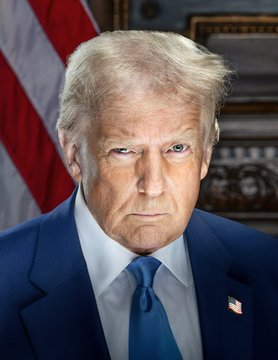
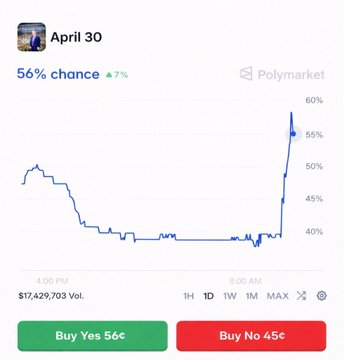
Reflecto News – Prediction markets are flashing a notable shift in sentiment on the ongoing U.S.-Iran conflict, with the probability of President Donald Trump announcing an end to all American military operations against Iran by the end of April surging to around 56% (or 54% on key contracts) according to real-time trading on platforms like Polymarket.
This development comes days after the U.S., Iran, and Israel agreed to a two-week ceasefire brokered with Pakistani mediation, which took effect around April 8, 2026, following intense threats from Trump to escalate strikes dramatically if Iran did not reopen the Strait of Hormuz.
Background: From Escalation to Temporary Pause in the 2026 Iran Conflict
The U.S. military campaign against Iran, dubbed Operation Epic Fury, began in late February 2026 amid heightened tensions over Iran’s nuclear program, regional proxies, and threats to key shipping routes. Strikes targeted Iranian military sites, nuclear facilities, and energy infrastructure, marking one of the most significant direct U.S. involvements in the Middle East in recent years.
By early April, the conflict had entered its second month, with significant economic fallout including disrupted oil flows through the Strait of Hormuz—the critical chokepoint carrying about 20% of global petroleum. Trump issued ultimatums threatening widespread destruction of Iranian bridges, power plants, and energy assets unless safe passage was restored.
On April 7-8, an 11th-hour deal emerged: a two-week ceasefire in exchange for Iran facilitating the reopening of the Strait of Hormuz, with provisions for safe commercial shipping. Trump described it as a “double-sided CEASEFIRE,” noting that U.S. objectives had largely been met or exceeded, while allowing time for longer-term negotiations.
What the Prediction Markets Are Saying
Polymarket and similar platforms aggregate crowd wisdom through real-money betting, often providing sharper signals than traditional polls. As of recent trading:
- Odds for Trump announcing the end of military operations by April 30 stand near 54%, reflecting a surge from lower probabilities earlier in the week.
- Shorter windows, such as by April 15 or 21, trade at lower probabilities (15-27%), while longer horizons like May or June carry higher implied chances.
These odds have fluctuated sharply with news flow, including heavy volume—tens of millions in trades—around the ceasefire announcement. Some newly created accounts reportedly profited significantly from well-timed bets on de-escalation.
Key Factors Influencing the Outlook
Several elements are driving market sentiment:
- Ceasefire Fragility: The current pause is temporary and conditional. Sporadic incidents continue, and Israel has indicated it may not fully align with all terms regarding operations against Iranian proxies like Hezbollah.
- Diplomatic Momentum: Talks mediated by Pakistan and others aim for a more permanent agreement, potentially including sanctions relief, nuclear limits, and regional security guarantees. Trump has signaled optimism about a “definitive Agreement” on long-term peace.
- Domestic and Economic Pressures: U.S. public opinion polls show majority opposition to prolonged involvement, with concerns over costs (estimated at billions per week), casualties, and rising energy prices. Markets reacted positively to the ceasefire, with oil prices dropping sharply.
- Strategic Objectives: The administration claims key goals—degrading Iran’s nuclear and missile capabilities—have been achieved, reducing the need for indefinite operations.
Potential Scenarios and Global Implications
- Optimistic Path (Higher Odds This Month): Full de-escalation, reopened shipping lanes, and progress toward a broader deal could allow Trump to declare mission accomplished, boosting his image as a dealmaker who avoids endless wars.
- Risks of Breakdown: Violations of the ceasefire, unmet demands on uranium enrichment, or proxy attacks could prompt renewed strikes, pushing timelines into May or later.
- Broader Effects: Resolution would ease energy market volatility, benefit global supply chains, and influence U.S. relations with allies in the Gulf and Asia. Prolonged conflict risks higher oil prices, inflation, and regional spillover.
Analysts note that while prediction markets are not infallible, their real-time nature captures shifting probabilities faster than conventional forecasts.
Market and Investor Reactions
Following the ceasefire, Brent crude fell over 10-13% in sessions, stocks rallied on reduced geopolitical risk, and safe-haven assets like gold eased. Investors are closely watching April developments for clues on Fed policy, as lower oil prices could ease inflationary pressures.
FAQs on Trump, Iran Operations, and Prediction Market Odds
Q1: What does the 56% odds figure specifically refer to?
It reflects crowd-sourced probabilities on platforms like Polymarket for President Trump formally announcing the end of all U.S. military operations against Iran by April 30, 2026. Figures fluctuate daily with news.
Q2: Is the ceasefire currently holding?
A two-week truce began around April 8, with halted U.S. strikes and efforts to reopen the Strait of Hormuz. It remains conditional and fragile, with monitoring ongoing.
Q3: Why did the odds surge?
The last-minute ceasefire deal, Trump’s statements on achieved objectives, and diplomatic progress have increased bets on near-term resolution.
Q4: What are the main sticking points for a permanent end?
Iran seeks lasting sanctions relief and security guarantees; the U.S. wants verifiable limits on nuclear activities, proxy restraint, and secure shipping. Regional issues involving Israel add complexity.
Q5: How reliable are these prediction markets?
They have a strong track record on political and event outcomes due to financial incentives aligning bets with information, though geopolitics introduces high uncertainty and potential for surprises.
Q6: How might this affect oil prices and the global economy?
Successful de-escalation typically lowers energy prices and supports market sentiment; renewed fighting could reverse gains and spike volatility.
Q7: What should be watched in the coming weeks?
Compliance with the ceasefire, Strait of Hormuz traffic volumes, diplomatic meetings, and any Trump announcements on operations or deals.
In summary, the surge in odds to around 56% for ending operations this month underscores growing expectations for de-escalation following the recent ceasefire. However, with the truce being short-term and core issues unresolved, the situation remains dynamic. A formal conclusion could reshape U.S. foreign policy, energy markets, and Middle East stability in the months ahead.
This article is for informational purposes only and does not constitute financial, investment, or political advice. Geopolitical events can shift rapidly.
Questions people ask
What is China's current share of global manufacturing?
China now accounts for twenty eight percent of global manufacturing. This industrial output exceeds the combined manufacturing production of the United States, Japan, and Germany, making China the leading global industrial power according to recent reports.
Why were Andrew Tate and Tristan Tate arrested in Miami?
Andrew Tate and his brother Tristan Tate were taken into custody in Miami by the United States Marshals Service. They face thirty eight new charges in the United Kingdom, including rape and child pornography offences, and prosecutors are seeking their extradition.
What warning did Moscow issue about oil prices?
Kirill Dmitriev, the Chief Executive of the Russian Direct Investment Fund, warned that a tsunami of skyrocketing oil prices is approaching. Moscow describes this potential energy shock as a major threat to global markets.
What political shift is projected for Benjamin Netanyahu's coalition?
Political polls project that Prime Minister Benjamin Netanyahu's coalition is on track to lose its majority in the upcoming October election. This projection indicates a potential political shift in Jerusalem.
Why did a Russian military aircraft land in Tehran?
A Russian airborne command aircraft, widely known as a doomsday plane, landed in Tehran. The arrival of the aircraft represents a high stakes show of support from Russia for Iran during a period of heightened regional tensions.
What did President Masoud Pezeshkian claim about the United States and Israel?
Iranian President Masoud Pezeshkian claimed that the United States and Israel failed in a forty eight hour plan to topple the Iranian government. He made these statements during a televised address marking two years since his inauguration.