Reflecto News is an online news platform covering major international political events, global economic developments, and security conflicts. The site provides updates on topics such as Chinese manufacturing dominance, Middle Eastern political tensions, and high profile legal arrests. Readers can access current articles organized by categories like World News, Iran, and USA.
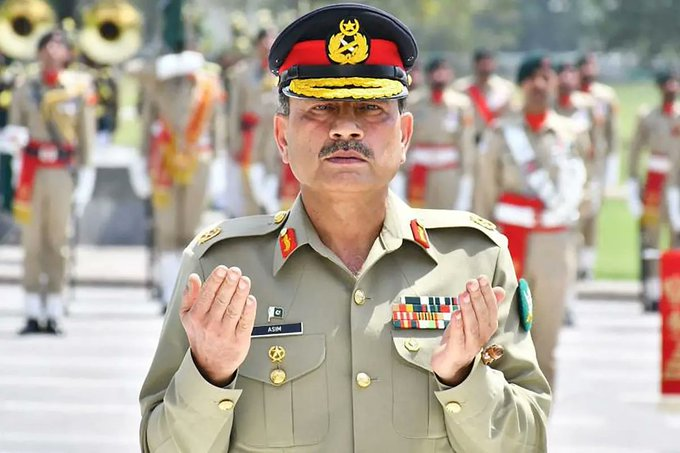
Reflecto News – Pakistan’s Chief of Army Staff, Field Marshal Asim Munir, is leading a high-level delegation to Iran to convey a message from the United States and help coordinate a potential second round of indirect or direct talks between Tehran and Washington, possibly to be hosted again in Islamabad in the coming days.
The development was reported by Iran’s Tasnim News Agency on April 15, 2026, amid ongoing efforts to stabilize the fragile ceasefire that followed earlier marathon negotiations in the Pakistani capital.
Munir’s Central Role in Mediation
Pakistan’s powerful army chief has emerged as a key figure in the diplomatic bridge-building between the U.S. and Iran. Munir, who enjoys reportedly warm personal ties with President Donald Trump and senior U.S. military officials, played a pivotal role in facilitating the initial high-level talks held in Islamabad earlier in April 2026.
Those talks, which lasted over 21 hours and involved senior U.S. figures (including Vice President JD Vance) and Iranian officials (led by Parliament Speaker Mohammad Baqer Qalibaf and Foreign Minister Abbas Araqchi), ended without a comprehensive agreement but left channels open for continued message exchanges via Pakistani intermediaries.
The current visit by Munir and his delegation is understood to focus on:
- Delivering specific U.S. messages to Iranian leadership.
- Assessing Tehran’s positions on core issues such as nuclear enrichment limits, sanctions relief, and maritime security in the Strait of Hormuz.
- Exploring the feasibility and timing of a fresh round of talks in Islamabad.
Fragile Ceasefire and Ongoing Tensions
The ceasefire, announced after the first round of Islamabad talks, remains tenuous. U.S. forces continue to enforce elements of a naval blockade on Iranian ports as leverage, while Iran has threatened retaliatory measures that could disrupt broader Gulf shipping.
Pakistan has positioned itself as a neutral and trusted mediator, leveraging its relationships with both Washington and Tehran. Prime Minister Shehbaz Sharif and Foreign Minister Ishaq Dar have also been actively involved, but the army chief’s direct engagement underscores the military-diplomatic dimension of Pakistan’s role.
No official confirmation of the exact timing or composition of the delegation has been released by Pakistani authorities, but Tasnim’s reporting — often aligned with Iranian security circles — suggests the trip is imminent and carries significant weight.
Potential for Second Round of Talks
Pakistani officials, including Defense Minister Khawaja Asif, have indicated positive momentum and the possibility of renewed negotiations soon. A second round could build on expert-level exchanges that continued after the initial high-level sessions.
Key sticking points remain:
- Iran’s nuclear program parameters and verification mechanisms.
- Lifting or easing of sanctions.
- Security guarantees for maritime routes, particularly the Strait of Hormuz.
- Broader regional de-escalation, including potential linkages to Lebanon and other fronts.
Analysts view Pakistan’s mediation as a rare example of Islamabad playing a constructive role in a major international crisis, potentially enhancing its strategic relevance with both global powers.
This remains a fast-evolving diplomatic story with direct implications for Middle East stability, global energy markets, and U.S.-Iran relations.
FAQs
Q1: Why is Pakistan’s Army Chief Asim Munir going to Iran?
According to Tasnim News, Munir is heading to Tehran with a senior delegation to deliver a U.S. message and help coordinate a possible new round of Iran–U.S. talks, likely in Islamabad.
Q2: What is the current status of U.S.-Iran talks?
The first round of high-level talks in Islamabad ended without a full agreement but kept indirect channels open. Message exchanges continue, with Pakistan acting as the primary facilitator.
Q3: Who has been involved in previous Islamabad talks?
The initial sessions featured U.S. delegations led by senior officials (including Vice President JD Vance) and Iranian teams headed by Parliament Speaker Qalibaf and Foreign Minister Araqchi, hosted and mediated by Pakistani leadership.
Q4: How significant is Asim Munir’s role?
Munir is credited with helping secure the initial talks through his ties with U.S. leadership. His involvement highlights the military dimension of Pakistan’s mediation efforts.
Q5: What are the main issues being discussed?
Core topics include limits on Iran’s nuclear activities, sanctions relief, reopening the Strait of Hormuz without restrictions, and regional de-escalation.
Q6: Is a new round of talks confirmed?
Not yet officially confirmed, but Pakistani and Iranian sources indicate positive momentum and the possibility of renewed negotiations soon.
Q7: Where can I follow the latest developments?
Stay with Reflecto News for balanced, verified coverage of U.S.-Iran diplomacy, Pakistan’s mediation role, and regional security updates. We monitor official statements and credible reporting from all sides.
This is a developing story. Reflecto News will provide updates as more details emerge from Tehran, Islamabad, or Washington regarding Munir’s visit and any planned talks.
Reflecto News delivers accurate, timely reporting on global diplomacy, Middle East affairs, and South Asian strategic developments. For more on the fragile U.S.-Iran ceasefire, Pakistan’s mediation efforts, and the Strait of Hormuz situation, explore our dedicated international section. Share your respectful comments below.
Questions people ask
What is China's current share of global manufacturing?
China now accounts for twenty eight percent of global manufacturing. This industrial output exceeds the combined manufacturing production of the United States, Japan, and Germany, making China the leading global industrial power according to recent reports.
Why were Andrew Tate and Tristan Tate arrested in Miami?
Andrew Tate and his brother Tristan Tate were taken into custody in Miami by the United States Marshals Service. They face thirty eight new charges in the United Kingdom, including rape and child pornography offences, and prosecutors are seeking their extradition.
What warning did Moscow issue about oil prices?
Kirill Dmitriev, the Chief Executive of the Russian Direct Investment Fund, warned that a tsunami of skyrocketing oil prices is approaching. Moscow describes this potential energy shock as a major threat to global markets.
What political shift is projected for Benjamin Netanyahu's coalition?
Political polls project that Prime Minister Benjamin Netanyahu's coalition is on track to lose its majority in the upcoming October election. This projection indicates a potential political shift in Jerusalem.
Why did a Russian military aircraft land in Tehran?
A Russian airborne command aircraft, widely known as a doomsday plane, landed in Tehran. The arrival of the aircraft represents a high stakes show of support from Russia for Iran during a period of heightened regional tensions.
What did President Masoud Pezeshkian claim about the United States and Israel?
Iranian President Masoud Pezeshkian claimed that the United States and Israel failed in a forty eight hour plan to topple the Iranian government. He made these statements during a televised address marking two years since his inauguration.