Reflecto News is an online news platform covering major international political events, global economic developments, and security conflicts. The site provides updates on topics such as Chinese manufacturing dominance, Middle Eastern political tensions, and high profile legal arrests. Readers can access current articles organized by categories like World News, Iran, and USA.
Published on Reflecto News | World News | Diplomacy & Conflict
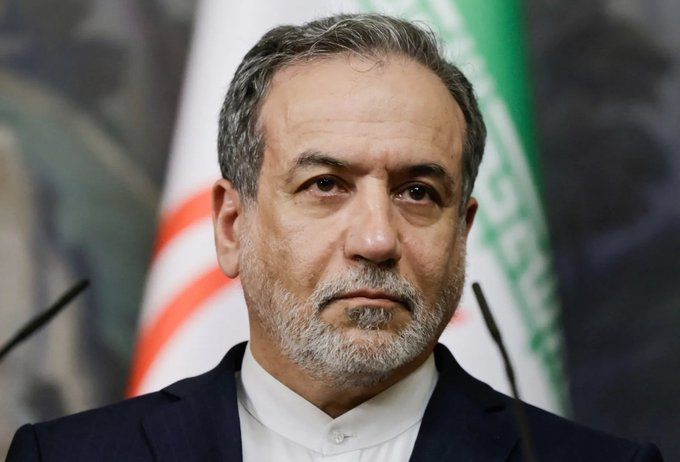
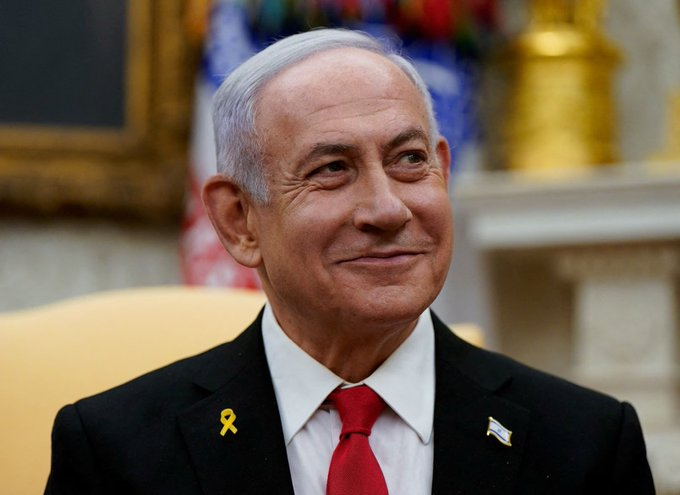
In a stark and unvarnished warning delivered just hours before high-stakes peace talks are set to begin in Islamabad, Iranian Foreign Minister Abbas Araghchi has cautioned the United States that allowing Israeli Prime Minister Benjamin Netanyahu to “kill diplomacy” would result in the collapse of the American economy. Araghchi characterized such an outcome as “dumb” while emphasizing that Iran is fully prepared for any scenario.
The remarks, among the most pointed from Tehran since the ceasefire was announced, underscore the immense pressure surrounding the upcoming negotiations and the degree to which the Lebanese front has become the central obstacle to broader de-escalation.
Araghchi’s Warning: Economic Consequences
Speaking to reporters or in a statement reported by Iranian media ahead of the Islamabad talks, Foreign Minister Araghchi delivered a blunt message to Washington. He explicitly linked the survival of the diplomatic process—and by extension, the stability of the global economy—to American willingness to restrain its ally.
“If the United States wishes to crater its economy by letting Netanyahu kill diplomacy, that would ultimately be its choice. We think that would be dumb but are prepared for it.”
The warning directly ties the fate of the US economy to events on the diplomatic and military front. Araghchi’s choice of the word “crater” suggests an expectation of catastrophic economic consequences—likely referring to a complete closure of the Strait of Hormuz, a spike in oil prices far beyond current levels, and a global recession that would hit the United States particularly hard.
The Context: Diplomacy on the Brink
Araghchi’s warning comes as the diplomatic calendar reaches a critical juncture. The United States and Iran are scheduled to hold direct peace talks on Saturday morning in Islamabad, Pakistan .
| Diplomatic Event | Timing | Status |
|---|---|---|
| US-Iran peace talks | Saturday morning | Set to proceed |
| Two-week ceasefire | Day 4 of 14 | Fragile but holding |
| Israel-Lebanon negotiations | Next week (Washington) | Announced but not begun |
| Israeli strikes on Lebanon | Ongoing | Continuing |
However, the talks are taking place against a backdrop of continued Israeli military operations in Lebanon—operations that Tehran considers a “blatant violation” of the ceasefire’s intended scope .
Iranian President Masoud Pezeshkian has already warned that continued Israeli strikes “will render negotiations meaningless,” while declaring that Iran’s “hands remain on the trigger” . Araghchi’s latest statement escalates that warning by specifying the economic consequences the US would face if diplomacy collapses.
‘Letting Netanyahu Kill Diplomacy’
Araghchi’s framing of the situation places responsibility for the success or failure of diplomacy squarely on Washington’s shoulders—and specifically on the US relationship with Israel.
The phrase “letting Netanyahu kill diplomacy” suggests that Iran views Prime Minister Netanyahu as an active opponent of a negotiated settlement. From Tehran’s perspective, Israel’s continued strikes on Lebanon are not merely parallel military operations but deliberate efforts to sabotage the broader US-Iran diplomatic track.
This interpretation is supported by Netanyahu’s own statements. The Israeli prime minister has declared that the two-week ceasefire “does not include Lebanon” and that Hezbollah is “not part of the deal” . Hours before Araghchi’s warning, Netanyahu announced that Israel would open direct negotiations with Lebanon—but made clear that military operations would continue “under fire” .
‘We Think That Would Be Dumb’
Araghchi’s characterization of a potential US choice to let diplomacy fail as “dumb” is striking in its bluntness. The term suggests not just disagreement but a judgment that such a decision would be objectively irrational—contrary to America’s own strategic and economic interests.
The economic case for preserving diplomacy is indeed compelling:
| Economic Indicator | Current Status | If Diplomacy Fails (Projected) |
|---|---|---|
| Oil prices (Brent) | ~$100/barrel | $150-200+/barrel |
| Strait of Hormuz | 15 ships/day limit | Complete closure possible |
| Global growth | Under pressure | Recession likely |
| US inflation | Elevated | Sharp increase |
| Asian energy imports | Severely disrupted | Potentially catastrophic |
Beyond oil, the Strait of Hormuz also handles 50% of the world’s sulphur and nearly 30% of global urea and ammonia—all vital to fertilizer manufacturing and global food security. A complete closure would trigger not just an energy crisis but a food crisis .
‘But Are Prepared for It’
Araghchi’s concluding statement—that Iran is “prepared for it”—serves as both a warning and a reassurance to Iranian domestic audiences. Tehran wants Washington to understand that threats of economic collapse will not force Iranian concessions; Iran has endured decades of sanctions and is willing to continue doing so if necessary.
Iran’s preparations for a potential breakdown in diplomacy likely include:
- Military Readiness: Iranian forces remain on high alert, with President Pezeshkian confirming that “hands remain on the trigger” .
- Strait of Hormuz: Iran has demonstrated its ability to restrict shipping and has established a new regulatory framework that would persist even if talks fail .
- Proxy Networks: Hezbollah, the Houthis, and other Iran-aligned groups remain active and capable of escalating attacks .
- Nuclear Program: While Iran has committed to not seeking nuclear weapons, its advanced enrichment capabilities provide strategic leverage .
The Trump-Netanyahu Dynamic
Araghchi’s warning implicitly references the relationship between President Trump and Prime Minister Netanyahu—two leaders who have maintained a close alliance throughout the conflict.
However, recent developments suggest potential friction. President Trump has reportedly asked Netanyahu to “scale back” Israeli strikes in Lebanon to help ensure the success of the US-Iran negotiations . Vice President JD Vance confirmed that Israel has agreed to “check themselves a little bit in Lebanon” .
Yet Netanyahu has also announced direct negotiations with Lebanon—scheduled to take place in Washington next week—while maintaining that military operations will continue. This dual-track approach may not satisfy Iran’s demand for a complete halt to strikes on Lebanese territory.
Araghchi’s warning can be read as a message to Trump: restraining Netanyahu is not optional if the US wants to preserve diplomacy and protect its economy.
The Islamabad Talks: A Test of Wills
The Islamabad talks, scheduled for Saturday morning, will now proceed under the shadow of Araghchi’s warning. The Iranian delegation, led by Parliament Speaker Mohammad Bagher Ghalibaf and Foreign Minister Araghchi himself, will face the US delegation headed by Vice President JD Vance, accompanied by Jared Kushner and Steve Witkoff .
The agenda for the talks is expected to cover:
- The status of the Strait of Hormuz and shipping restrictions
- Sanctions relief and the unfreezing of Iranian assets
- Iran’s nuclear program and enrichment activities
- US military presence in the region
- The inclusion of Lebanon in any broader ceasefire framework
Araghchi’s warning suggests that Iran will take a强硬 line on Lebanon, making any agreement conditional on a cessation of Israeli strikes. Whether the United States can deliver such a cessation—and whether Netanyahu is willing to comply—remains the central question.
International Reactions
The international community has not yet formally responded to Araghchi’s warning, but the statement is likely to heighten concerns about the fragility of the diplomatic process.
European allies, already nervous about the potential collapse of the ceasefire, may increase pressure on both Washington and Jerusalem to de-escalate. Germany’s Chancellor Merz has already warned that Israeli attacks on Lebanon could “cause the peace process as a whole to fail” .
Gulf states, including Saudi Arabia and the UAE, have a strong interest in preventing economic collapse. Both nations have supported Pakistan’s mediation efforts and are likely to urge Washington to take Iran’s warnings seriously.
China and Russia, while not directly involved in the Islamabad talks, have strategic interests in a stable global energy market. Beijing, in particular, is highly vulnerable to disruptions in Gulf oil supplies.
What Happens Next
The coming hours and days will be critical. Several scenarios are possible:
Scenario 1: De-escalation in Lebanon
Israel scales back its strikes significantly, allowing Iran to claim the ceasefire has been respected. The Islamabad talks proceed with a reduced threat of Iranian withdrawal.
Scenario 2: Talks Proceed Under Tension
Israel continues limited operations, but Iran participates in negotiations while using the threat of withdrawal as leverage. This outcome is fragile but possible.
Scenario 3: Iranian Withdrawal
If Israeli strikes continue at current intensity, Iran may follow through on its threats and boycott or withdraw from the Islamabad talks, collapsing the broader diplomatic process.
Scenario 4: Economic Warfare Escalation
Even if talks proceed, Iran could tighten restrictions on the Strait of Hormuz further, increasing economic pressure on the US and global markets without formally withdrawing from negotiations.
Conclusion: A Warning Before Talks Begin
Foreign Minister Araghchi’s warning that the US will “crater its economy” if Netanyahu “kills diplomacy” represents one of the most direct threats issued by Iran since the ceasefire was announced. The statement, delivered just hours before the Islamabad talks are set to begin, sets a confrontational tone for the negotiations while also laying out Iran’s core demand: Israel must be restrained.
Whether the United States can—or will—deliver on that demand remains to be seen. President Trump has asked Netanyahu to scale back strikes, and Israel has reportedly agreed to “check themselves.” But Netanyahu has also made clear that military operations will continue alongside negotiations.
As Araghchi noted, Iran “is prepared for” the failure of diplomacy. The question now is whether the United States is prepared for the economic consequences that Iran has warned would follow.
The world will be watching Islamabad on Saturday morning.
Frequently Asked Questions (FAQs)
1. What did Iranian Foreign Minister Araghchi say about the US economy?
Araghchi warned that if the United States “lets Netanyahu kill diplomacy,” it would “crater its economy.” He called such a choice “dumb” but stated that Iran is “prepared for it” .
2. Why would the US economy “crater” if diplomacy fails?
If diplomacy fails, Iran could fully close the Strait of Hormuz, through which approximately 20% of global oil passes. This would trigger a massive spike in energy prices, global recession, and severe economic damage to the United States .
3. What does “letting Netanyahu kill diplomacy” mean?
Araghchi is accusing Prime Minister Netanyahu of actively undermining the US-Iran diplomatic process by continuing Israeli strikes on Lebanon. From Iran’s perspective, these strikes violate the ceasefire and threaten to make negotiations “meaningless” .
4. Is Iran serious about being “prepared” for diplomatic failure?
Yes. Iran has demonstrated its military capabilities throughout the conflict, maintains control over the Strait of Hormuz, and has endured decades of sanctions. Tehran is signaling that it will not be forced into concessions by economic threats .
5. When are the US-Iran talks scheduled to take place?
The talks are scheduled for Saturday morning in Islamabad, Pakistan. The US delegation is led by Vice President JD Vance, while the Iranian delegation is led by Parliament Speaker Mohammad Bagher Ghalibaf and Foreign Minister Abbas Araghchi .
6. Does the current ceasefire include Lebanon?
This remains a major point of dispute. Iran and Pakistan maintain that the ceasefire includes Lebanon, while the United States and Israel have explicitly denied this. Araghchi’s warning is an attempt to force the US to extend the ceasefire to Lebanon .
7. What has President Trump asked Netanyahu to do?
President Trump has reportedly asked Netanyahu to “scale back” Israeli strikes in Lebanon to help ensure the success of the US-Iran negotiations. Israel has reportedly agreed to “check themselves a little bit in Lebanon” .
8. What is the status of the Strait of Hormuz?
The strait remains effectively closed, with Iran imposing a limit of 15 ships per day, requiring prior IRGC approval. If diplomacy fails, Iran could tighten these restrictions further or close the strait completely .
9. How has Israel responded to Iran’s warnings?
Prime Minister Netanyahu has announced that Israel will open direct negotiations with Lebanon but has made clear that military operations will continue “under fire.” Israel maintains that Lebanon is not covered by the US-Iran ceasefire .
10. What happens if the Islamabad talks fail?
If talks fail, the two-week ceasefire could collapse. Iran has warned that it is “fully prepared to resume combat” with even greater intensity. The Strait of Hormuz could close further, and the region could return to full-scale war .
Stay informed with Reflecto News – Your trusted source for breaking diplomatic and geopolitical intelligence. Subscribe for real-time updates from the Islamabad peace talks.
Questions people ask
What is China's current share of global manufacturing?
China now accounts for twenty eight percent of global manufacturing. This industrial output exceeds the combined manufacturing production of the United States, Japan, and Germany, making China the leading global industrial power according to recent reports.
Why were Andrew Tate and Tristan Tate arrested in Miami?
Andrew Tate and his brother Tristan Tate were taken into custody in Miami by the United States Marshals Service. They face thirty eight new charges in the United Kingdom, including rape and child pornography offences, and prosecutors are seeking their extradition.
What warning did Moscow issue about oil prices?
Kirill Dmitriev, the Chief Executive of the Russian Direct Investment Fund, warned that a tsunami of skyrocketing oil prices is approaching. Moscow describes this potential energy shock as a major threat to global markets.
What political shift is projected for Benjamin Netanyahu's coalition?
Political polls project that Prime Minister Benjamin Netanyahu's coalition is on track to lose its majority in the upcoming October election. This projection indicates a potential political shift in Jerusalem.
Why did a Russian military aircraft land in Tehran?
A Russian airborne command aircraft, widely known as a doomsday plane, landed in Tehran. The arrival of the aircraft represents a high stakes show of support from Russia for Iran during a period of heightened regional tensions.
What did President Masoud Pezeshkian claim about the United States and Israel?
Iranian President Masoud Pezeshkian claimed that the United States and Israel failed in a forty eight hour plan to topple the Iranian government. He made these statements during a televised address marking two years since his inauguration.