Reflecto News – April 8, 2026
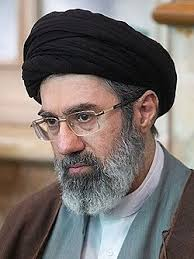
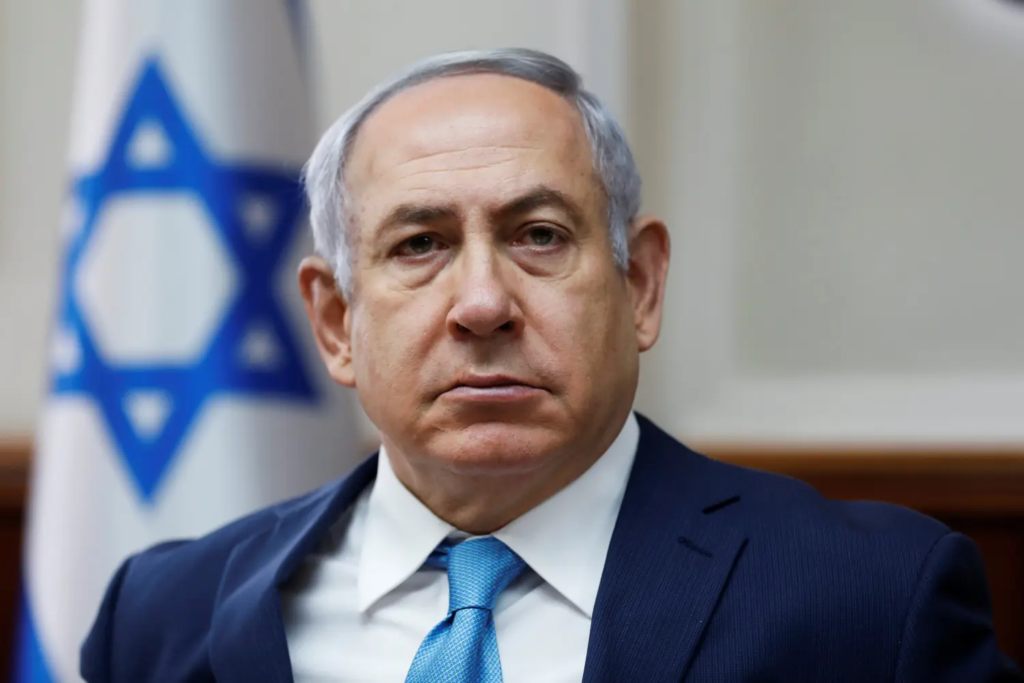
Iran is reportedly preparing or considering retaliatory strikes directly on Israeli military positions in response to Israel’s continued large-scale attacks on Hezbollah targets in Lebanon. Iranian security and military sources, cited by Fars News Agency and other state-linked outlets, described the ongoing Israeli operations as a “blatant violation” of the two-week ceasefire framework and accused the United States of being “unable to control” Prime Minister Benjamin Netanyahu.
The development significantly heightens the risk that the fragile U.S.-Iran ceasefire could collapse, just as Iran had signaled a limited reopening of the Strait of Hormuz and direct talks were scheduled for Friday in Islamabad, Pakistan.
Iran’s Reported Position
According to a security and military source quoted by Fars News, Tehran views the continued Israeli strikes in Beirut’s southern suburbs and southern Lebanon — described by the IDF as one of its largest coordinated operations of the conflict — as evidence that either Washington cannot restrain Netanyahu or that U.S. Central Command (CENTCOM) has granted Israel operational freedom. Iran has warned it will deliver a “deterrent operation” targeting Israeli positions if the attacks do not stop.
This rhetoric aligns with earlier Iranian statements that it would treat the U.S. as a “direct party” to any Israeli aggression and could withdraw from the ceasefire entirely if operations in Lebanon persist.
Ongoing Israeli Strikes in Lebanon
Despite the U.S.-Iran truce, Israel has pressed ahead with airstrikes and operations against Hezbollah, insisting the agreement does not include the Lebanon front. Dramatic footage from Beirut continues to show plumes of smoke over densely populated areas, with Lebanese authorities reporting civilian casualties, damaged infrastructure, and significant displacement.
President Trump and Israeli officials have repeatedly clarified that the two-week pause applies only to direct U.S.-Iran hostilities and the reopening of the Strait of Hormuz, not to Israel’s campaign to degrade Hezbollah’s capabilities.
Strain on the Ceasefire and Upcoming Talks
The two-week conditional ceasefire, mediated by Pakistan, was intended to pause major U.S. strikes on Iran in exchange for limited, military-coordinated commercial shipping through the Strait of Hormuz. Iran had earlier suspended tanker passage in protest over the Lebanon strikes but had indicated a possible resumption on April 9–10.
Iran has now conditioned its full participation in Friday’s direct talks in Islamabad on a ceasefire in Lebanon, further complicating diplomatic efforts. Pakistani Prime Minister Shehbaz Sharif continues mediation, but the diverging interpretations of the truce’s scope threaten to derail progress.
U.S. Secretary of War Pete Hegseth has maintained a firm stance, demanding Iran hand over its enriched uranium stockpiles and describing Iran’s new Supreme Leader Mojtaba Khamenei as “wounded and disfigured.”
Impact on Global Energy Markets
The suspension of tanker traffic through the Strait of Hormuz earlier today, combined with threats of further retaliation, risks prolonging severe disruptions to global oil and LNG supplies. Qatar’s Ras Laffan LNG complex has suffered lasting damage (approximately 17% capacity loss for 3–5 years), and analysts warn that global LNG shortfalls could reach up to 35 million tons in 2026 if stability is not restored quickly.
India’s planned receipt of its first Iranian oil shipment in seven years could also face delays amid the uncertainty.
Broader Reactions
- United States: The Trump administration maintains the ceasefire holds on the Iran front while supporting Israel’s right to defend itself in Lebanon.
- Israel: Continues operations, stating the truce with Iran does not constrain actions against Hezbollah.
- Gulf States: The UAE and Kuwait have faced repeated Iranian missile and drone attacks, adding to regional instability.
- International: European leaders, including Italy’s Defense Minister Guido Crosetto, and Pope Leo XIV have called for broader de-escalation to protect civilians and prevent further “madness.”
Exiled Crown Prince Reza Pahlavi has continued appeals to Iran’s armed forces amid the leadership uncertainty in Tehran.
FAQs on Iran’s Consideration of Retaliatory Strikes
Q1: Is Iran actively preparing strikes on Israel?
Iranian sources have indicated it is considering or preparing a “deterrent operation” targeting Israeli military positions in response to the Lebanon attacks, though no strikes have been confirmed yet.
Q2: Why does Iran blame the U.S. for being “unable to control” Netanyahu?
Tehran views continued Israeli actions in Lebanon as a violation of the ceasefire’s spirit and accuses Washington of either lacking influence over Israel or deliberately allowing the operations to continue.
Q3: Does this mean the two-week ceasefire is over?
Not formally, but the situation is highly fragile. Iran has already suspended tanker traffic through the Strait of Hormuz and conditioned its participation in Islamabad talks on a Lebanon ceasefire.
Q4: What is the status of the Strait of Hormuz?
Iran had signaled limited reopening but suspended tanker passage in protest. Any further escalation could delay or reverse this.
Q5: Are U.S.-Iran talks in Islamabad still scheduled?
Yes, for Friday, April 10, but Iran’s conditions regarding Lebanon introduce major uncertainty.
Q6: How does this affect global energy markets?
Continued instability risks prolonging oil and LNG disruptions, exacerbating shortages and price volatility, especially with damage already sustained at Qatar’s Ras Laffan complex.
Reflecto News will continue monitoring any Iranian actions, Israeli responses, U.S. statements, developments in the Strait of Hormuz, and progress (or lack thereof) toward the Islamabad talks.
Stay informed with Reflecto News – Your source for accurate, timely coverage of the multi-front Middle East crisis, ceasefire challenges, and their global security and energy implications.