Reflecto News is an online news platform covering major international political events, global economic developments, and security conflicts. The site provides updates on topics such as Chinese manufacturing dominance, Middle Eastern political tensions, and high profile legal arrests. Readers can access current articles organized by categories like World News, Iran, and USA.
Reflecto News – April 8, 2026
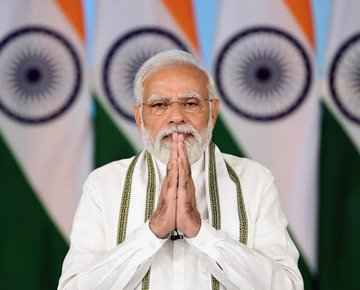
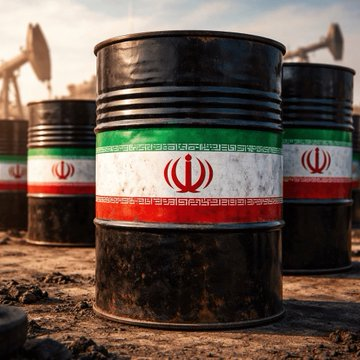
India is poised to receive its first direct shipment of Iranian crude oil in over seven years, with a tanker carrying approximately 600,000 barrels en route to Indian ports, according to ship-tracking data and government statements. The development marks a significant resumption of energy ties between New Delhi and Tehran, driven by global supply shortages caused by the ongoing U.S.-Israel-Iran conflict and restrictions in the Strait of Hormuz.
The cargo, purchased by state-owned Indian Oil Corporation (IOC), is aboard a Curacao-flagged very large crude carrier (reportedly the Jaya or similar vessels) and is expected to arrive at ports such as Vadinar in Gujarat or on India’s east coast in the coming days. This marks the first confirmed Iranian oil delivery to India since May 2019, when U.S. sanctions pressure forced a halt in imports.
Why Now? Supply Disruptions Force Diversification
India, the world’s third-largest oil importer and consumer, has faced acute challenges from the six-week conflict. Disruptions in the Strait of Hormuz — through which roughly 20% of global oil trade normally flows — combined with damage to regional energy infrastructure have tightened supplies and driven up prices.
Indian refiners have secured crude from over 40 countries, but the resumption of Iranian imports provides a commercially attractive option due to discounted pricing and proximity. India’s Ministry of Petroleum and Natural Gas confirmed that refiners have purchased Iranian oil with “no payment hurdles,” emphasizing full flexibility in sourcing to ensure energy security.
The U.S. reportedly issued a temporary sanctions waiver for Iranian oil already at sea to help ease global shortages, enabling this shipment without immediate repercussions.
Connection to the Broader Conflict and Ceasefire
The timing is notable amid the fragile two-week U.S.-Iran ceasefire:
- Iran has signaled a possible limited, military-controlled reopening of the Strait of Hormuz on April 9 or 10.
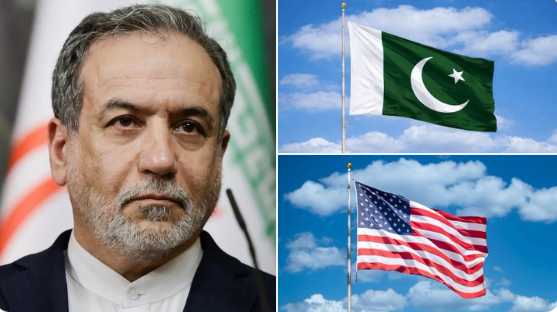
- Direct U.S.-Iran talks are scheduled for Friday in Islamabad, Pakistan, though Iran has conditioned full participation on a ceasefire in Lebanon, where Israeli strikes on Hezbollah continue.
- Iran has threatened to withdraw from the truce if attacks on Lebanon persist and has launched recent missile and drone barrages toward the UAE and Kuwait.
This Indian purchase highlights how energy needs are influencing geopolitics, with New Delhi balancing its strategic partnership with the U.S. and Israel while securing affordable oil from traditional suppliers like Iran and Russia.
Economic and Strategic Implications for India
- Energy Security: The shipment helps offset losses from Hormuz disruptions and supports India’s refineries, many of which are configured for heavier Iranian crude.
- Cost Savings: Iranian oil is often sold at discounts, helping control fuel prices domestically.
- Geopolitical Balancing: The move signals India’s pragmatic approach to energy diplomacy, maintaining ties with Tehran despite Western sanctions, while continuing strong defense and economic relations with the U.S. and Gulf states.
- Payment Mechanisms: Reports indicate no major banking issues, possibly through alternative channels or the temporary U.S. waiver.
Analysts note that future imports will depend on the duration of any sanctions relief and the evolution of the regional conflict.
Impact on Global Oil and LNG Markets
The resumption adds a small but symbolic boost to supply at a time when Qatar’s Ras Laffan LNG complex has suffered lasting damage (approximately 17% capacity loss for 3–5 years) and global LNG shortfalls could reach 35 million tons in 2026. While this is crude oil rather than LNG, any stabilization in Gulf shipping benefits overall energy flows.
FAQs on India’s Resumption of Iranian Oil Imports
Q1: When was the last time India imported Iranian oil?
May 2019. Imports halted due to U.S. sanctions pressure after the Trump administration withdrew from the JCPOA nuclear deal.
Q2: How much oil is in the current shipment?
Approximately 600,000 barrels, aboard a tanker heading to Indian ports such as Vadinar in Gujarat.
Q3: Why has India resumed imports now?
To secure supplies amid disruptions in the Strait of Hormuz caused by the U.S.-Iran conflict. A temporary U.S. sanctions waiver has facilitated the move.
Q4: Does this violate U.S. sanctions?
The shipment benefits from a temporary waiver for Iranian oil at sea. Long-term resumption would depend on future U.S. policy and the outcome of ceasefire talks.
Q5: How does this relate to the U.S.-Iran ceasefire?
The limited Hormuz reopening (expected soon) could ease future shipments, but Iran’s conditions regarding Lebanon and ongoing attacks on Gulf states add uncertainty.
Q6: What does this mean for global energy prices?
It provides marginal relief to tight supplies, potentially moderating price spikes for Asian buyers like India, though broader Hormuz stability remains critical for LNG and oil markets.
Reflecto News will continue tracking the arrival of the shipment, developments in Islamabad talks, the situation in Lebanon, and any updates on the Strait of Hormuz reopening.
Stay informed with Reflecto News – Your source for accurate, timely coverage of energy geopolitics, the Middle East conflict, and their impact on global markets.
Questions people ask
What is China's current share of global manufacturing?
China now accounts for twenty eight percent of global manufacturing. This industrial output exceeds the combined manufacturing production of the United States, Japan, and Germany, making China the leading global industrial power according to recent reports.
Why were Andrew Tate and Tristan Tate arrested in Miami?
Andrew Tate and his brother Tristan Tate were taken into custody in Miami by the United States Marshals Service. They face thirty eight new charges in the United Kingdom, including rape and child pornography offences, and prosecutors are seeking their extradition.
What warning did Moscow issue about oil prices?
Kirill Dmitriev, the Chief Executive of the Russian Direct Investment Fund, warned that a tsunami of skyrocketing oil prices is approaching. Moscow describes this potential energy shock as a major threat to global markets.
What political shift is projected for Benjamin Netanyahu's coalition?
Political polls project that Prime Minister Benjamin Netanyahu's coalition is on track to lose its majority in the upcoming October election. This projection indicates a potential political shift in Jerusalem.
Why did a Russian military aircraft land in Tehran?
A Russian airborne command aircraft, widely known as a doomsday plane, landed in Tehran. The arrival of the aircraft represents a high stakes show of support from Russia for Iran during a period of heightened regional tensions.
What did President Masoud Pezeshkian claim about the United States and Israel?
Iranian President Masoud Pezeshkian claimed that the United States and Israel failed in a forty eight hour plan to topple the Iranian government. He made these statements during a televised address marking two years since his inauguration.