Reflecto News is an online news platform covering major international political events, global economic developments, and security conflicts. The site provides updates on topics such as Chinese manufacturing dominance, Middle Eastern political tensions, and high profile legal arrests. Readers can access current articles organized by categories like World News, Iran, and USA.
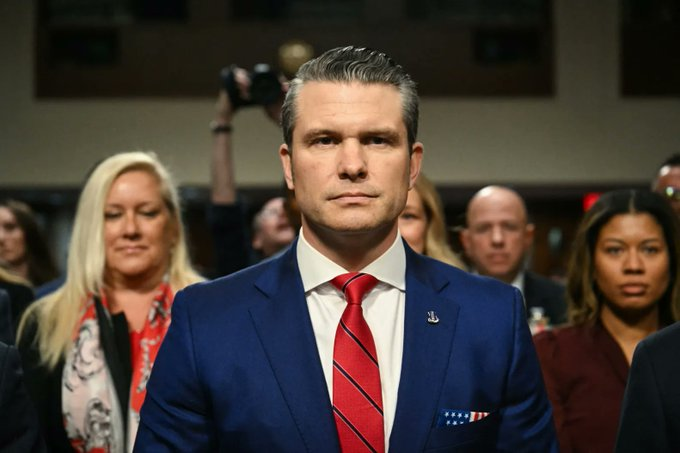
Reflecto News – U.S. Defense Secretary Pete Hegseth is rapidly reshaping the Pentagon through a sweeping overhaul of senior military leadership, firing or forcing out more than 20 generals and flag officers since taking office in early 2025. The moves, which include the recent dismissal of Army Chief of Staff Gen. Randy George and several other high-ranking officers, have drawn sharp criticism from former officials and analysts who describe the process as driven by “vindictiveness,” politicization, and an effort to impose a “virile, anti-woke ‘warrior ethos.’”
Many dismissals reportedly lacked clear public justification, with some tied to perceived political leanings, diversity initiatives, or resistance to Hegseth’s vision for the military. One former official mocked the approach: “He’s a 12-year-old boy with a set of army action figures who likes to play war.”
The overhaul has occurred amid the ongoing U.S.-Iran conflict, raising concerns among some defense experts about potential disruption to wartime leadership and long-term military effectiveness.
Scope of the Purge
Since assuming the role of Defense Secretary, Hegseth has removed or sidelined a significant number of senior leaders, including:
- Army Chief of Staff Gen. Randy George.
- Other Army generals, including the chief of chaplains and the commander of Army Transformation and Training Command.
- Multiple members of the Joint Chiefs of Staff, heads of combatant commands, intelligence agencies, and senior military lawyers.
The Pentagon has provided limited public explanations for individual firings, often citing the need for “leadership change” or a renewed focus on lethality and combat readiness. Supporters argue the changes are necessary to eliminate what they see as entrenched “woke” culture and restore a traditional warrior mindset. Critics contend the process has been abrupt, poorly justified, and sometimes at odds with established norms or even international legal considerations regarding military conduct.
Criticisms and Concerns
Former Pentagon officials and defense analysts have raised alarms:
- The purge is described as unprecedented in scope and speed, especially during active conflict.
- Some dismissals appear linked to disagreements over policy, diversity efforts, or perceived loyalty rather than performance.
- Concerns include potential politicization of the military, loss of experienced leadership, and risks to operational continuity in the Iran theater.
- One critic highlighted the emphasis on a “virile, anti-woke ‘warrior ethos’” as sometimes conflicting with broader legal and ethical standards.
Hegseth has defended the changes as essential to rebuilding a lethal, mission-focused force, rejecting claims of politicization and arguing that previous leadership had strayed from core warfighting priorities.
Broader Context
The leadership shake-up unfolds against the backdrop of heightened U.S. military activity in the Middle East, including naval operations in the Strait of Hormuz and support for the fragile ceasefire with Iran. Some observers worry that rapid turnover at senior levels could complicate command structures during a sensitive period.
The moves also reflect deeper cultural and ideological battles within the U.S. military, with Hegseth — a former Fox News host and Army National Guard veteran — positioning himself as a reformer intent on reversing what he and allies view as excessive “political correctness.”
This remains a contentious development with potential long-term effects on Pentagon culture, readiness, and civil-military relations.
FAQs
Q1: How many senior leaders has Pete Hegseth fired or removed?
Reports indicate more than 20 generals and flag officers have been ousted or forced out since Hegseth took office, including high-profile figures like Army Chief of Staff Gen. Randy George.
Q2: What reasons have been given for the firings?
The Pentagon has offered limited public justifications, often citing the need for fresh leadership and a stronger focus on combat lethality. Critics argue many cases lacked clear performance-based rationale and appeared tied to politics or ideology.
Q3: What is the “warrior ethos” Hegseth is pushing?
It refers to an emphasis on traditional combat readiness, physical toughness, and a rejection of what Hegseth and supporters call “woke” policies in the military, such as diversity initiatives or perceived softening of standards.
Q4: Has the purge affected ongoing operations?
The firings have occurred amid the U.S.-Iran conflict, prompting concerns from some officials about potential disruption to leadership continuity and wartime decision-making.
Q5: How have critics responded?
Former officials describe the Pentagon under Hegseth as increasingly politicized and driven by vindictiveness. One likened his style to “a 12-year-old boy who likes to play war.”
Q6: Is this purge unprecedented?
Many observers call the scale and speed unprecedented in modern U.S. military history, especially during active conflict.
Q7: Where can I follow balanced updates?
Stay with Reflecto News for verified coverage of Pentagon leadership changes, U.S. military policy, and related developments from multiple credible sources.
This is a developing story. Reflecto News will monitor official Pentagon statements, reactions from Congress, and any impacts on military operations or readiness.
Reflecto News delivers accurate, timely reporting on U.S. defense policy, Pentagon leadership, and national security issues. For more on Pete Hegseth’s tenure, military reforms, and the broader context of U.S. operations in the Middle East, explore our dedicated sections. Share your respectful comments below.
Questions people ask
What is China's current share of global manufacturing?
China now accounts for twenty eight percent of global manufacturing. This industrial output exceeds the combined manufacturing production of the United States, Japan, and Germany, making China the leading global industrial power according to recent reports.
Why were Andrew Tate and Tristan Tate arrested in Miami?
Andrew Tate and his brother Tristan Tate were taken into custody in Miami by the United States Marshals Service. They face thirty eight new charges in the United Kingdom, including rape and child pornography offences, and prosecutors are seeking their extradition.
What warning did Moscow issue about oil prices?
Kirill Dmitriev, the Chief Executive of the Russian Direct Investment Fund, warned that a tsunami of skyrocketing oil prices is approaching. Moscow describes this potential energy shock as a major threat to global markets.
What political shift is projected for Benjamin Netanyahu's coalition?
Political polls project that Prime Minister Benjamin Netanyahu's coalition is on track to lose its majority in the upcoming October election. This projection indicates a potential political shift in Jerusalem.
Why did a Russian military aircraft land in Tehran?
A Russian airborne command aircraft, widely known as a doomsday plane, landed in Tehran. The arrival of the aircraft represents a high stakes show of support from Russia for Iran during a period of heightened regional tensions.
What did President Masoud Pezeshkian claim about the United States and Israel?
Iranian President Masoud Pezeshkian claimed that the United States and Israel failed in a forty eight hour plan to topple the Iranian government. He made these statements during a televised address marking two years since his inauguration.