Reflecto News is an online news platform covering major international political events, global economic developments, and security conflicts. The site provides updates on topics such as Chinese manufacturing dominance, Middle Eastern political tensions, and high profile legal arrests. Readers can access current articles organized by categories like World News, Iran, and USA.
Reflecto News – Armed gunmen attacked a commercial passenger bus in north-central Nigeria’s Benue State on Thursday (April 16 or 17, 2026), abducting multiple students and other passengers who were traveling to sit for university entrance examinations (JAMB/UTME). The incident occurred along the Otukpo-Makurdi highway, a route frequently targeted by bandits.
Benue State Governor Hyacinth Alia condemned the attack in a statement, describing the targeting of innocent students as “unacceptable and against every norm of humanity.” Local media and police reports indicate that around 14 passengers were taken, with some confirmed as JAMB candidates. One victim reportedly escaped, while security forces have launched rescue operations. The exact number of students among the abducted has not been officially confirmed, but many passengers were young people heading to exam centers.
This latest abduction highlights the escalating banditry and kidnapping crisis across Nigeria, where criminal gangs increasingly target civilians, schools, and transportation routes for ransom.
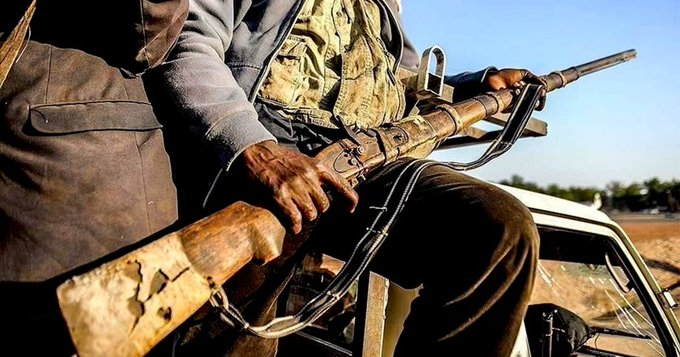
Details of the Attack
- The victims were aboard a Benue Links bus (a state-owned transport company).
- The ambush took place near Otukpo in the evening, with gunmen forcing passengers into the bush.
- Some reports mention the bus carrying approximately 18 passengers, mostly students preparing for examinations.
- Police in Benue State have confirmed the incident and are working with local vigilantes and security operatives to track the kidnappers.
No group has claimed responsibility, but such attacks in Benue and surrounding states are typically attributed to armed bandit groups operating in the region, who use ransom demands to fund their activities.
Nigeria’s Worsening Kidnapping and Banditry Crisis
Kidnapping for ransom has become a lucrative criminal enterprise in Nigeria, with a dramatic surge in recent years. Data from monitoring groups shows:
- Thousands of abductions annually, with significant increases in the Northwest, North-Central, and other regions.
- Schools and students are frequent targets, disrupting education and creating widespread fear.
- Bandit violence has spread across more than 30 states, contributing to thousands of deaths, mass displacement, and humanitarian emergencies, including famine risks in affected areas.
Benue State, located in the volatile Middle Belt, has seen repeated attacks on highways, farms, and communities, often linked to banditry, farmer-herder clashes, and criminal gangs. The latest incident adds to a pattern where students and travelers face high risks on major roads.
Governor Alia and security agencies have vowed intensified operations to rescue the victims and restore safety on highways. However, critics argue that under-resourced police and military forces, combined with porous borders and weak intelligence, continue to struggle against well-armed criminal networks.
Broader Implications
The abduction underscores the human cost of Nigeria’s security challenges, which have worsened despite government efforts. Ransom payments often fuel further violence, while the fear of kidnapping deters travel, education, and economic activity. International observers and rights groups have called for stronger protection for civilians, especially vulnerable students.
Authorities have not released details on ransom demands or the current status of rescue efforts. Families of the abducted students are appealing for swift action and government intervention.
Reflecto News will continue monitoring developments, including any rescue updates, official statements from Benue State, and the wider impact on security in Nigeria.
Frequently Asked Questions (FAQs)
Q1: What happened in the Benue State bus attack?
Armed gunmen ambushed a Benue Links passenger bus on the Otukpo-Makurdi highway, abducting around 14 passengers, including students heading to university entrance exams (JAMB/UTME). One person reportedly escaped.
Q2: How many students were kidnapped?
Exact numbers are still being clarified, but multiple reports confirm several students were among the abducted passengers on their way to sit examinations.
Q3: Who is responsible for the attack?
No group has claimed responsibility. Such incidents in Benue are commonly attributed to armed bandit gangs operating in the region for ransom.
Q4: What is the current status of the victims?
Security forces have launched rescue operations. No confirmed updates on ransom demands or releases have been made public as of the latest reports.
Q5: Why is kidnapping surging in Nigeria?
Criminal banditry has become highly profitable, with weak law enforcement, porous borders, and easy access to weapons enabling gangs to target civilians, students, and travelers across many states.
Q6: How is the government responding?
Benue Governor Hyacinth Alia condemned the attack and pledged intensified security efforts. Broader national strategies focus on military operations and intelligence, but challenges persist due to the scale of the crisis.
Q7: What can be done to address this crisis?
Experts call for better-funded security forces, improved highway patrols, community intelligence networks, and addressing root causes such as poverty, unemployment, and governance gaps that fuel banditry.
For the latest updates on security incidents in Nigeria, rescue efforts in Benue State, and national responses to banditry and kidnapping, stay with Reflecto News — your source for accurate and timely reporting.
Questions people ask
What is China's current share of global manufacturing?
China now accounts for twenty eight percent of global manufacturing. This industrial output exceeds the combined manufacturing production of the United States, Japan, and Germany, making China the leading global industrial power according to recent reports.
Why were Andrew Tate and Tristan Tate arrested in Miami?
Andrew Tate and his brother Tristan Tate were taken into custody in Miami by the United States Marshals Service. They face thirty eight new charges in the United Kingdom, including rape and child pornography offences, and prosecutors are seeking their extradition.
What warning did Moscow issue about oil prices?
Kirill Dmitriev, the Chief Executive of the Russian Direct Investment Fund, warned that a tsunami of skyrocketing oil prices is approaching. Moscow describes this potential energy shock as a major threat to global markets.
What political shift is projected for Benjamin Netanyahu's coalition?
Political polls project that Prime Minister Benjamin Netanyahu's coalition is on track to lose its majority in the upcoming October election. This projection indicates a potential political shift in Jerusalem.
Why did a Russian military aircraft land in Tehran?
A Russian airborne command aircraft, widely known as a doomsday plane, landed in Tehran. The arrival of the aircraft represents a high stakes show of support from Russia for Iran during a period of heightened regional tensions.
What did President Masoud Pezeshkian claim about the United States and Israel?
Iranian President Masoud Pezeshkian claimed that the United States and Israel failed in a forty eight hour plan to topple the Iranian government. He made these statements during a televised address marking two years since his inauguration.