Reflecto News is an online news platform covering major international political events, global economic developments, and security conflicts. The site provides updates on topics such as Chinese manufacturing dominance, Middle Eastern political tensions, and high profile legal arrests. Readers can access current articles organized by categories like World News, Iran, and USA.
President highlights Israel’s security as key benefit of potential agreement while Iranian UN Ambassador categorically rejects short-term truce; Kuwait issues overnight stay-home advisory amid rising fears
By Reflecto News Staff
April 7, 2026
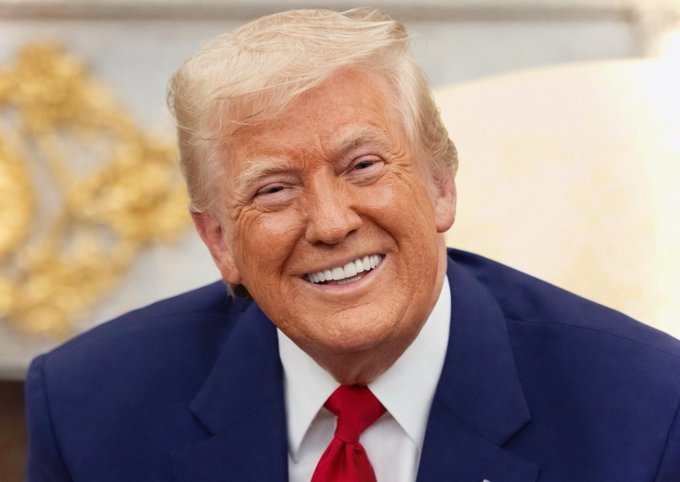
President Donald Trump stated that a successful deal with Iran would make Israel significantly more secure, framing the potential agreement as a pathway to long-term stability for America’s key Middle East ally.
The comment comes just hours before Trump’s self-imposed 8 p.m. ET deadline for Iran to fully reopen the Strait of Hormuz to unrestricted commercial shipping. Failure to comply risks expanded U.S. strikes on Iranian infrastructure, including power plants and bridges.
Trump has repeatedly linked progress in negotiations to enhanced security for Israel, echoing earlier remarks where he suggested Israel would be “very happy” with the outcome of U.S.-Iran talks.
Iran’s Firm Rejection of Temporary Ceasefire
In a sharp counterpoint, Iran’s Ambassador to the United Nations categorically rejected any temporary ceasefire.
“We categorically REJECT any temporary ceasefire,” the ambassador declared, insisting that only a permanent end to hostilities — accompanied by sanctions relief, guarantees against future attacks, reparations, and broader regional de-escalation — would be acceptable.
This hardline position, consistent with Tehran’s public stance, further dims prospects for a last-minute breakthrough before the deadline. Iran has demanded a comprehensive, lasting peace rather than a short-term pause that could allow renewed military pressure.
Regional Precautions and Heightened Tensions
Kuwait’s Interior Ministry today advised residents to stay home overnight (12 a.m. to 6 a.m. local time) as a “precautionary measure” due to fears of Iranian retaliation targeting civilian infrastructure in the Gulf. Kuwait has already experienced damage from Iranian projectiles, including impacts on power and desalination facilities.
The advisory reflects broader anxiety across Gulf states hosting U.S. bases and critical energy assets.
Diplomatic and Military Context
Indirect U.S.-Iran talks have shown modest progress, with one senior U.S. official describing Iran’s latest proposal as “a lot better than we expected.” However, significant gaps remain, and officials assess the chances of sealing a full deal by tonight as low.
Secretary of State Marco Rubio has strongly condemned Iranian strikes on commercial vessels in the Strait of Hormuz as “violating every law known” and amounting to “terrorist activity” by a state sponsor of terrorism.
The White House has firmly denied any consideration of nuclear weapons against Iran, rejecting speculation sparked by Vice President JD Vance’s remarks about unused “tools in our toolkit.”
Background: Origins of the Conflict
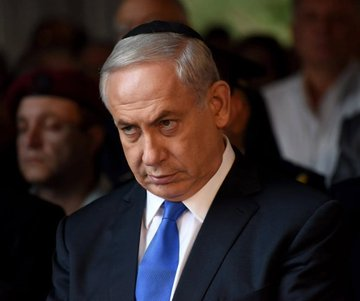
The current crisis escalated following a February Situation Room briefing by Israeli Prime Minister Benjamin Netanyahu, who presented a “near-certain victory” plan involving rapid degradation of Iran’s missile capabilities, prevention of major retaliation, and potential regime change. The presentation included a video featuring possible replacement leaders such as Reza Pahlavi. Trump reportedly responded, “Sounds good to me.”
U.S. intelligence viewed swift regime change as unrealistic, while advisers offered mixed but ultimately non-blocking input.
Defense Secretary Pete Hegseth’s optimistic public assessments of Iranian capabilities being “overwhelmingly destroyed” continue to face internal criticism, with intelligence indicating more than half of missile launchers remain intact and thousands of drones still available.
Sen. Ron Johnson (R-Wis.) has urged caution, hoping threats against civilian infrastructure are negotiating “bluster” and stressing, “We are not at war with the Iranian people. We are trying to liberate them.”
Visible U.S. Military Readiness
CENTCOM has released images of U.S. Marines conducting live-fire drills aboard the USS Tripoli (LHA 7) in the Arabian Sea as part of Operation Epic Fury, signaling sustained preparedness in the region.
Israeli Channel 13 has aired a live countdown clock to the 8 p.m. deadline, underscoring Israel’s direct interest in the outcome.
Parallel Developments
In Ukraine, forces destroyed a Russian-controlled bridge near Kherson using British-made Malloy T-150 heavy-lift drones. The UK’s HMS Dragon, deployed near Cyprus for air defence following an Iranian drone incident on RAF Akrotiri, has docked for a minor water system issue but remains ready to sail at short notice.
Implications as the Clock Ticks
A deal that strengthens Israel’s security while reopening the vital Strait of Hormuz — through which roughly one-fifth of global oil passes — could de-escalate the crisis and stabilize energy markets. However, Iran’s rejection of temporary measures and Trump’s firm rhetoric suggest the coming hours could determine whether diplomacy prevails or military action expands.
Humanitarian and legal experts continue to warn that strikes on civilian infrastructure could raise serious concerns under international law.
Reflecto News will deliver continuous, real-time updates as the 8 p.m. ET deadline approaches and developments unfold.
FAQs on Trump’s Statement, Iran’s Ceasefire Rejection, and the Deadline
Q: What did President Trump say about a deal with Iran and Israel’s security?
A: Trump stated that a deal with Iran would make Israel more secure, emphasizing long-term peace and stability for the key U.S. ally.
Q: How has Iran responded to ceasefire proposals?
A: The Iranian Ambassador to the UN categorically rejected any temporary ceasefire, demanding instead a permanent end to hostilities with sanctions relief, guarantees, and reparations.
Q: What is Trump’s 8 p.m. ET demand?
A: Full reopening of the Strait of Hormuz to unrestricted commercial shipping. Non-compliance risks major strikes on Iranian infrastructure.
Q: Why did Kuwait issue an overnight stay-home advisory?
A: As a precautionary measure amid fears of Iranian retaliation targeting civilian infrastructure in the Gulf following recent attacks on power and desalination facilities.
Q: Has the White House addressed nuclear speculation?
A: Yes, the administration has categorically denied any consideration of nuclear weapons against Iran.
Q: What military signals has the U.S. shown?
A: CENTCOM released images of Marines training aboard USS Tripoli in the Arabian Sea; indirect talks continue with modest reported progress.
Q: How can I stay updated?
A: Follow Reflecto News for accurate, timely coverage of the U.S.-Iran crisis, diplomatic efforts, regional security measures, and global impacts.
This article is based on verified public statements, official reporting, and credible sources as of April 7, 2026. All quotes are accurately attributed.
Questions people ask
What is China's current share of global manufacturing?
China now accounts for twenty eight percent of global manufacturing. This industrial output exceeds the combined manufacturing production of the United States, Japan, and Germany, making China the leading global industrial power according to recent reports.
Why were Andrew Tate and Tristan Tate arrested in Miami?
Andrew Tate and his brother Tristan Tate were taken into custody in Miami by the United States Marshals Service. They face thirty eight new charges in the United Kingdom, including rape and child pornography offences, and prosecutors are seeking their extradition.
What warning did Moscow issue about oil prices?
Kirill Dmitriev, the Chief Executive of the Russian Direct Investment Fund, warned that a tsunami of skyrocketing oil prices is approaching. Moscow describes this potential energy shock as a major threat to global markets.
What political shift is projected for Benjamin Netanyahu's coalition?
Political polls project that Prime Minister Benjamin Netanyahu's coalition is on track to lose its majority in the upcoming October election. This projection indicates a potential political shift in Jerusalem.
Why did a Russian military aircraft land in Tehran?
A Russian airborne command aircraft, widely known as a doomsday plane, landed in Tehran. The arrival of the aircraft represents a high stakes show of support from Russia for Iran during a period of heightened regional tensions.
What did President Masoud Pezeshkian claim about the United States and Israel?
Iranian President Masoud Pezeshkian claimed that the United States and Israel failed in a forty eight hour plan to topple the Iranian government. He made these statements during a televised address marking two years since his inauguration.