🚨 JUST IN: Russian Foreign Minister Sergey Lavrov Offers to Help China Replace Energy Supplies Lost Due to Strait of Hormuz Blockade
By Reflecto News Desk
April 15, 2026
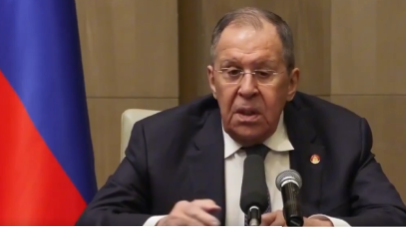
Russian Foreign Minister Sergey Lavrov stated during his visit to Beijing that Russia is ready to compensate for any shortfall in energy resources faced by China and other interested countries due to disruptions in the Strait of Hormuz.
“Russia can, without a doubt, compensate for the shortfall in resources that has arisen,” Lavrov said at a news conference in Beijing, according to Russian state media (TASS and RIA Novosti). He made the offer in direct response to questions about the US naval blockade affecting shipping through the strategic waterway.
Lavrov characterized the Russia-China relationship as “unshakable in the face of any storms” and highlighted the potential for expanded energy cooperation amid the ongoing crisis.
Context of Lavrov’s Offer
The comments come as the US enforces a blockade targeting vessels linked to Iranian ports following the collapse of high-level US-Iran talks in Islamabad. US Treasury Secretary Scott Bessent earlier declared that China “will no longer be able to get oil from Iran,” noting that Beijing has been a major buyer of discounted Iranian crude.
The Strait of Hormuz handles roughly 20% of global oil and LNG trade, with China relying heavily on routes through the chokepoint for a significant portion of its Middle East energy imports. Disruptions have already raised concerns about supply security and rising energy prices.
Lavrov’s visit to Beijing (April 14–15) included meetings with President Xi Jinping and Foreign Minister Wang Yi. The two sides coordinated on the Middle East situation, criticized the US blockade as risky and escalatory, and discussed broader bilateral ties, including preparations for a future Putin-Xi summit.
Russia-China Energy Partnership
Russia has emerged as a key alternative energy supplier for China, especially since Western sanctions redirected large volumes of Russian oil and gas eastward. Expanded pipelines, rail deliveries, and LNG shipments from Russia could help offset any Iranian shortfalls, though logistics, pricing, and infrastructure capacity would need careful management.
Both Moscow and Beijing have voiced strong opposition to the US actions in the Hormuz region, calling for de-escalation, respect for freedom of navigation, and a return to dialogue in the Iran crisis.
Broader Implications
Lavrov’s offer underscores the deepening strategic alignment between Russia and China at a time of heightened US pressure on Iran and tensions in US-China relations. It also highlights efforts by both powers to present a united front against what they describe as unilateral actions that threaten global energy stability.
The development adds complexity to the upcoming Trump-Xi summit in May, where trade disputes, tariff threats, the Hormuz blockade, and the fragile US-Iran ceasefire are expected to dominate discussions.
Reflecto News will continue monitoring energy market reactions, shipping data in the Strait of Hormuz, official statements from Moscow, Beijing, and Washington, and any concrete steps toward increased Russia-China energy cooperation.
Frequently Asked Questions (FAQs)
Q1: What exactly did Lavrov say about helping China with energy?
Lavrov stated that Russia can “without a doubt compensate for the shortfall in resources” arising from disruptions in the Strait of Hormuz, offering to supply energy to China and other interested countries.
Q2: Why is Russia making this offer now?
The offer responds to the US naval blockade targeting Iranian-linked shipping, which threatens China’s access to Iranian oil — a key part of Beijing’s energy imports.
Q3: How dependent is China on the Strait of Hormuz?
A significant portion of China’s oil imports from the Middle East, including Iran, passes through the strait, which handles about 20% of global oil and LNG trade.
Q4: Can Russia realistically replace Iranian oil for China?
Russia already supplies large volumes of oil and gas to China via pipelines and other routes. Expanded deliveries are possible, though full replacement would depend on volumes, pricing, and infrastructure.
Q5: What is the current status of the Hormuz blockade?
The US is enforcing restrictions on vessels entering or leaving Iranian ports. Some non-Iran-linked traffic continues, but enforcement has raised concerns about broader disruptions.
Q6: How does this fit into Russia-China relations?
The two countries maintain a close strategic partnership and frequently coordinate on global issues, including opposition to the US blockade and support for multipolarity.
Q7: Will this affect the Trump-Xi summit?
The May summit is still scheduled, but the Hormuz crisis, energy security, and related tensions are likely to be major agenda items alongside trade and Iran-related issues.
For the latest updates on Russia-China cooperation, the Strait of Hormuz situation, global energy markets, and US-Iran developments, follow Reflecto News — your trusted source for accurate, timely, and balanced international reporting.