🚨 JUST IN: Vice President JD Vance Says Iran “Has Chosen Not to Accept Our Terms” After Marathon 21-Hour Talks End Without Agreement
By Reflecto News Desk
April 12, 2026
US Vice President JD Vance announced that high-stakes negotiations between the United States and Iran in Islamabad, Pakistan, concluded without a deal after more than 21 hours of talks. Vance stated that Iran “has chosen not to accept our terms,” particularly failing to provide a firm, long-term commitment to forgo developing nuclear weapons and the tools to achieve them quickly.
The talks, described as a marathon session, involved substantive discussions but ultimately hit an impasse over core US demands. Vance briefed reporters briefly before departing Pakistan, noting: “The bad news is that we have not reached an agreement, and I think that’s bad news for Iran much more than it’s bad news for the United States of America.”
He emphasized that the US made its “red lines” clear, including what it was willing — and not willing — to accommodate, describing the proposal as America’s “final and best offer.”
Details of the Failed Negotiations
The negotiations in Islamabad followed a fragile short-term ceasefire that took effect earlier this week after five weeks of US-Israeli joint military operations against Iran that began in February 2026. Vance led the US delegation, with President Donald Trump remaining closely involved through multiple calls during the session.
The central sticking point was Iran’s nuclear program. Vance stressed the need for an “affirmative commitment” that Tehran would not pursue a nuclear weapon now, in the near term, or long-term. He indicated that Washington has not yet seen such a commitment from Iranian negotiators.
Iranian officials, for their part, pointed to disagreements over “two or three important issues” as the reason for the lack of progress, according to state media.
Broader Context: Ceasefire, Weapons Allegations, and Regional Tensions
The breakdown comes amid heightened US concerns over Iran’s potential rearmament during the ceasefire pause. Recent US intelligence reports, cited by CNN, suggest China may be preparing to supply shoulder-fired anti-aircraft missiles (MANPADs) to Iran, a claim Beijing has strongly denied.
President Trump has warned China it would face “big problems” if it proceeds with any weapons shipments to Iran. These developments add pressure to the already delicate diplomatic environment.
The recent conflict significantly degraded Iran’s missile stockpiles, military infrastructure, and weapons production capabilities. The US maintains it achieved its military objectives and is now focused on securing a durable political resolution that prevents Iran from reconstituting its nuclear and advanced weapons programs.
Implications for US-Iran Relations and the Region
With no agreement reached, the future of the ceasefire remains uncertain. Vance indicated that technical teams from both sides may continue some discussions, but the high-level talks have paused.
The impasse raises questions about potential resumption of hostilities, impacts on global energy markets (particularly through the Strait of Hormuz), and the trajectory of US-China relations ahead of Trump’s planned summit with President Xi Jinping next month.
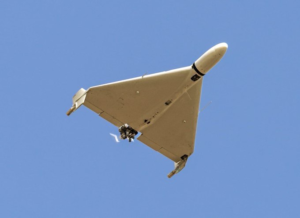
Iran maintains deep economic ties with both China and Russia, selling most of its sanctioned oil to Beijing and supplying drones for use in Ukraine.
Reflecto News will continue to monitor developments closely, including any reactions from Tehran, Beijing, or other regional players, as well as statements from the White House.
Frequently Asked Questions (FAQs)
Q1: What exactly did Vice President JD Vance say about the talks?
Vance stated that Iran “has chosen not to accept our terms” after 21 hours of negotiations failed to produce an agreement. He highlighted the lack of a long-term Iranian commitment to abandon its nuclear weapons ambitions as a key issue.
Q2: Where and how long did the US-Iran talks last?
The talks took place in Islamabad, Pakistan, and lasted more than 21 hours in a single marathon session.
Q3: What were the main US demands?
The core demand was a clear, affirmative, long-term commitment from Iran not to develop nuclear weapons or the capabilities to achieve them quickly. The US presented what it called its “final and best offer.”
Q4: How did Iran respond to the breakdown?
Iranian officials cited disagreements over “two or three important issues” but did not provide further public details at the time of reporting.
Q5: Does this mean the ceasefire is over?
The short-term ceasefire remains in effect for now, but its durability is in question. Technical-level discussions may continue, while high-level talks have paused.
Q6: How does this connect to allegations about China supplying weapons to Iran?
The failed talks occur amid US intelligence claims that China may be planning to deliver MANPADs to Iran. China has rejected these reports as false. President Trump has warned Beijing of consequences if such shipments occur.
Q7: What is the status of the upcoming Trump-Xi summit?
The May summit in Beijing is still scheduled, but the Iran situation — including the nuclear impasse and alleged arms flows — is expected to be a major topic.
Q8: What happens next?
The US has indicated it will assess Iran’s response to its final offer. President Trump has previously stated that the US maintains military readiness if needed, while preferring a negotiated resolution.
For the latest updates on US-Iran negotiations, the fragile ceasefire, US-China tensions, and broader Middle East developments, stay tuned to Reflecto News — your reliable source for accurate, timely, and in-depth international reporting.