🚨 JUST IN: US Navy Enforces Blockade in Strait of Hormuz as Sanctioned Chinese Tanker Attempts Transit Amid Iran Tensions
By Reflecto News Desk
April 15, 2026
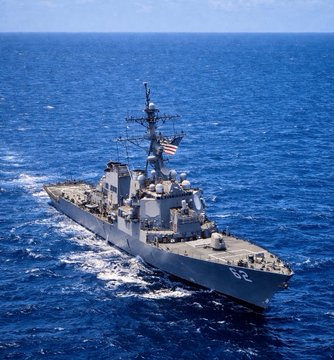
A US-sanctioned Chinese-owned tanker has tested the newly implemented American naval blockade in the Strait of Hormuz, successfully transiting the critical waterway on April 14 despite US efforts to restrict vessels linked to Iranian ports. The incident highlights escalating friction between Washington and Beijing over enforcement of the blockade following the collapse of US-Iran talks.
The tanker, identified as the Rich Starry (owned by Shanghai Xuanrun Shipping Co.), became one of the first vessels to exit the Gulf since the US blockade took effect on April 13. Shipping data from MarineTraffic, Kpler, and LSEG showed the medium-range tanker — carrying approximately 250,000 barrels of methanol loaded from a UAE port — successfully crossed into the Gulf of Oman. US Central Command (CENTCOM) reported that in the first 24 hours, several vessels were directed to turn around, while Iran-linked ships not heading to Iranian ports were generally unaffected.
President Donald Trump announced the blockade after high-level negotiations in Islamabad failed, with Vice President JD Vance stating Iran had rejected key US terms on its nuclear program. The measure targets ships entering or leaving Iranian ports as part of efforts to pressure Tehran during the fragile short-term ceasefire that followed five weeks of US-Israeli military operations.
China’s Reaction: “Dangerous and Irresponsible”
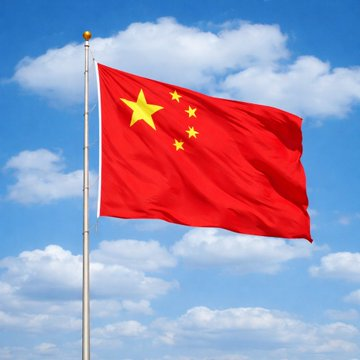
China has sharply criticized the US action. Foreign Ministry spokesperson Guo Jiakun described the blockade as a “dangerous and irresponsible move” that risks aggravating confrontation, undermining the ceasefire, and jeopardizing safe passage through the strait — a vital route for global energy flows, including much of China’s oil imports.
Beijing urged all parties to honor the ceasefire, exercise restraint, and return to dialogue. Officials stressed that unimpeded navigation in the Strait of Hormuz serves the common interest of the international community and warned that the blockade could escalate tensions further.
China remains Iran’s largest buyer of sanctioned oil and has repeatedly denied US intelligence claims about supplying weapons, such as MANPADs, to Tehran. The Rich Starry was previously sanctioned by the US for allegedly helping Iran bypass energy sanctions.
Strategic and Economic Implications
The Strait of Hormuz handles roughly 20% of global oil and LNG trade. Any sustained disruption could spike energy prices and affect supply chains worldwide. While initial traffic data showed limited immediate impact — with some vessels transiting normally if not Iran-bound — war-risk insurance costs have risen, and shipping companies are reviewing routes.
The incident adds to mounting US-China tensions:
- President Trump has threatened 50% tariffs on countries supplying arms to Iran.
- China has vowed “resolute countermeasures” against any new tariff hikes.
- President Xi Jinping recently described the international order as “crumbling into disarray” and called for stronger partnerships with the Arab world and multilateral reform.
The upcoming Trump-Xi summit in May now faces additional pressure, with potential discussions on the Iran ceasefire, Hormuz navigation, and trade disputes.
Reflecto News will continue monitoring shipping data, official statements from Washington, Beijing, and Tehran, and any further naval developments in the region.
Frequently Asked Questions (FAQs)
Q1: What happened with the Chinese tanker in the Strait of Hormuz?
The US-sanctioned tanker Rich Starry, owned by a Chinese company, transited the strait on April 14 despite the US naval blockade. It was carrying methanol and became one of the first vessels to exit the Gulf after the measure began.
Q2: What is the US blockade targeting?
The blockade, announced by President Trump, aims to prevent ships from entering or leaving Iranian ports following the failure of US-Iran talks. It does not apply to vessels transiting to or from non-Iranian ports.
Q3: How has China responded?
China called the blockade “dangerous and irresponsible,” warning it could escalate tensions and undermine the fragile ceasefire. Beijing urged restraint and a return to dialogue while stressing the importance of safe navigation for global energy security.
Q4: Does the blockade affect all ships?
No. US Central Command has clarified that freedom of navigation continues for vessels not linked to Iranian ports. Several ships transited normally on the first day.
Q5: Why is the Strait of Hormuz strategically important?
It is a narrow chokepoint through which a significant portion of the world’s oil and LNG passes, including critical supplies for China and other major economies.
Q6: Could this incident impact the Trump-Xi summit?
Yes. Combined with tariff threats and allegations of arms support to Iran, the Hormuz situation is likely to feature prominently in bilateral discussions planned for May.
Q7: What is the current status of the US-Iran ceasefire?
The short-term truce remains in effect, but its durability is uncertain after talks collapsed over Iran’s nuclear program. Technical discussions may continue.
For the latest updates on the Strait of Hormuz situation, US-China tensions, the Iran ceasefire, and global energy security, follow Reflecto News — your trusted source for accurate, timely, and balanced international reporting.