Reflecto News is an online news platform covering major international political events, global economic developments, and security conflicts. The site provides updates on topics such as Chinese manufacturing dominance, Middle Eastern political tensions, and high profile legal arrests. Readers can access current articles organized by categories like World News, Iran, and USA.
Published on Reflecto News | World News | Defense & Geopolitics
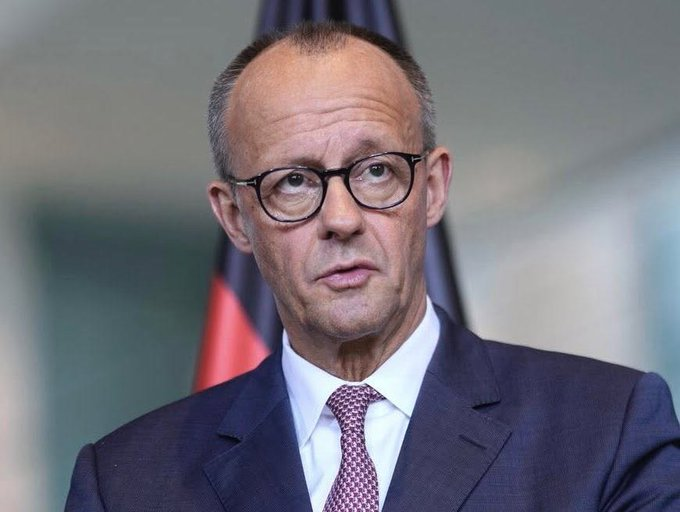
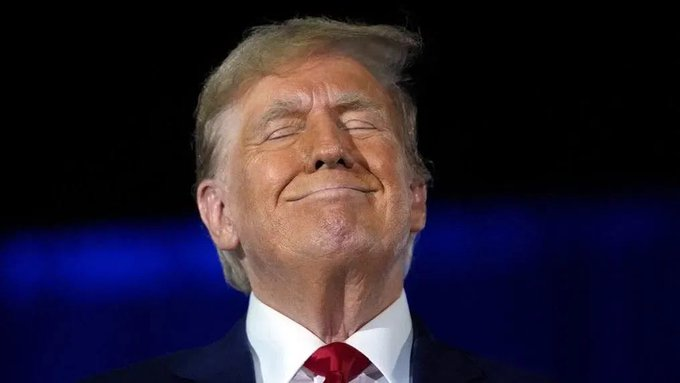
German Chancellor Friedrich Merz has conceded that Germany is incapable of defending itself alone and acknowledged that relations with former US President Donald Trump remain “still not good,” exposing the deep vulnerability of Europe’s largest economy in an era of escalating global threats. The remarks, made during an interview with German media, underscore the precarious state of transatlantic relations as the US presidential election approaches .
“Germany cannot defend itself alone. We need our allies, particularly the United States. But our relationship with President Trump is still not good, and that is a problem for Europe.” — Friedrich Merz, Chancellor of Germany
Germany’s Defense Weakness: A Longstanding Reality
Merz’s admission reflects a longstanding reality: despite being Europe’s largest economy, Germany has consistently underinvested in its military. For decades, Germany relied on the US security umbrella, spending well below NATO’s 2 percent of GDP target .
Even after Russia’s full-scale invasion of Ukraine in 2022 prompted a “Zeitenwende” (turning point) defense policy shift, German military readiness remains limited. A 2025 parliamentary report found that the Bundeswehr suffers from critical shortages in ammunition, spare parts, and personnel, with many major weapons systems inoperable .
Bundeswehr Readiness Gaps:
| Category | Status |
|---|---|
| Ammunition | Critical shortages for multiple weapons systems |
| Major weapons systems | Many inoperable due to maintenance backlogs |
| Personnel | Significant recruitment and retention challenges |
| Infrastructure | Barracks and facilities in poor condition |
Sources: German parliamentary reports, Bundeswehr assessments
The €600 billion special defense fund announced by Merz’s predecessor, Olaf Scholz, has been slow to translate into operational capabilities. Defense industry production lines are only now beginning to ramp up, and major procurement programs, including the F-35 fighter jet and new frigates, face years-long delays .
The Trump Factor: A Strained Transatlantic Relationship
Merz’s acknowledgment that relations with Trump are “still not good” reflects a persistent strain dating back to Trump’s first term. Trump has repeatedly criticized Germany for insufficient defense spending, its reliance on Russian energy, and its trade surplus with the United States .
Trump’s specific grievances with Germany:
| Issue | Trump’s Position |
|---|---|
| Defense spending | Germany not meeting 2% of GDP target |
| Russian energy | Nord Stream 2 pipeline increased dependency on Russia |
| Trade surplus | German exports to US exceed US exports to Germany |
| Iran policy | Germany refused to support US military action |
During his first term, Trump threatened to withdraw US troops from Germany and imposed tariffs on European steel and aluminum. He also withdrew from the Iran nuclear deal over German objections, deepening the rift .
Since leaving office, Trump has continued to criticize German policy, particularly Berlin’s refusal to join the US-led coalition in the war against Iran . Merz’s admission that the relationship remains strained suggests that a potential second Trump term could be even more challenging for transatlantic relations .
The Strategic Dilemma: European Autonomy vs. US Reliance
Merz’s statement highlights a fundamental strategic dilemma for Germany and Europe: how to balance the need for US security guarantees with the desire for “strategic autonomy.”
European defense options:
| Option | Advantages | Challenges |
|---|---|---|
| Increased European defense spending | Reduces US reliance | Takes years to build capacity |
| EU defense integration | Pooled resources | Political disagreements |
| Nuclear sharing | Leverages French/UK capabilities | Limited to nuclear deterrence |
| Maintain US alliance | Immediate capability | Politically uncertain |
Merz has previously called for a “European army” and closer defense cooperation within the EU, but progress has been slow. France has pushed for strategic autonomy, while Eastern European members remain deeply reliant on the US security guarantee .
The war in Ukraine has accelerated some European defense initiatives, but significant gaps remain. Germany’s decision to acquire US-made F-35 fighter jets rather than European alternatives underscored the continued reliance on American technology .
The Domestic Political Context
Merz’s admission also reflects domestic political realities. His coalition government faces pressure from both the left and right:
- Left-wing parties: Oppose increased military spending and advocate for diplomatic solutions
- Far-right AfD: Has called for rapprochement with Russia and criticized US “interference”
- Business community: Concerned about trade disputes with the US
- Security establishment: Urges increased defense spending and closer NATO ties
Merz’s acknowledgment of German vulnerability may be an attempt to build political support for increased defense spending and to manage expectations about the country’s military capabilities .
What Comes Next: Preparing for a Second Trump Term
With the US presidential election scheduled for November 2026, European leaders are preparing for the possibility of a second Trump term. Merz’s admission that relations remain “still not good” suggests that Berlin is bracing for continued turbulence .
| Scenario | Impact on Germany |
|---|---|
| Trump wins | Continued strain; potential trade disputes; pressure to increase defense spending |
| Democratic candidate wins | Possible reset; more predictable alliance |
| Extended political uncertainty | Complicates long-term planning |
Merz has stated that Germany will increase defense spending regardless of who wins the US election, but the pace and scale will likely depend on Washington’s posture. A Trump victory could accelerate European defense integration, while a Democratic victory might reassure traditional alliance structures .
Frequently Asked Questions (FAQs)
1. What did Chancellor Merz admit about Germany’s defense capabilities?
Merz conceded that Germany cannot defend itself alone and needs allies, particularly the United States. Despite the “Zeitenwende” defense policy shift, the Bundeswehr continues to face critical shortages in ammunition, spare parts, and personnel .
2. Why are Merz’s relations with Trump still not good?
Trump has long criticized Germany for insufficient defense spending, its reliance on Russian energy (Nord Stream 2), and its trade surplus with the US. Germany also refused to join the US-led coalition in the war against Iran, deepening the rift .
3. Is Germany increasing its defense spending?
Germany created a €600 billion special defense fund following Russia’s invasion of Ukraine, but the funds have been slow to translate into operational capabilities. Merz has pledged to meet NATO’s 2% of GDP target .
4. What is ‘strategic autonomy’ in European defense?
Strategic autonomy refers to Europe’s ability to defend itself without relying on the United States. France has been the leading proponent, while Germany has been more cautious, balancing European integration with continued US alliance .
5. How might a second Trump term affect Germany?
A second Trump term could bring continued trade disputes, pressure to increase defense spending, and potential threats to withdraw US troops from Germany. European leaders are preparing for this possibility by accelerating defense integration .
6. What is the status of the US presidential election?
The US presidential election is scheduled for November 2026. Republican frontrunner Donald Trump has threatened to withdraw from NATO and demanded European allies “pay their bills” .
Stay informed with Reflecto News – Your trusted source for breaking defense, geopolitical, and strategic intelligence. Subscribe for real-time updates on NATO-Russia relations, European security, and global power shifts.
Questions people ask
What is China's current share of global manufacturing?
China now accounts for twenty eight percent of global manufacturing. This industrial output exceeds the combined manufacturing production of the United States, Japan, and Germany, making China the leading global industrial power according to recent reports.
Why were Andrew Tate and Tristan Tate arrested in Miami?
Andrew Tate and his brother Tristan Tate were taken into custody in Miami by the United States Marshals Service. They face thirty eight new charges in the United Kingdom, including rape and child pornography offences, and prosecutors are seeking their extradition.
What warning did Moscow issue about oil prices?
Kirill Dmitriev, the Chief Executive of the Russian Direct Investment Fund, warned that a tsunami of skyrocketing oil prices is approaching. Moscow describes this potential energy shock as a major threat to global markets.
What political shift is projected for Benjamin Netanyahu's coalition?
Political polls project that Prime Minister Benjamin Netanyahu's coalition is on track to lose its majority in the upcoming October election. This projection indicates a potential political shift in Jerusalem.
Why did a Russian military aircraft land in Tehran?
A Russian airborne command aircraft, widely known as a doomsday plane, landed in Tehran. The arrival of the aircraft represents a high stakes show of support from Russia for Iran during a period of heightened regional tensions.
What did President Masoud Pezeshkian claim about the United States and Israel?
Iranian President Masoud Pezeshkian claimed that the United States and Israel failed in a forty eight hour plan to topple the Iranian government. He made these statements during a televised address marking two years since his inauguration.